 Maintainly
The nine home maintenance tasks that are really about safety, not upkeep
Most maintenance is about money: do the small job now or pay for the big repair later. A handful of tasks are different. Skipping them does not cost more; it risks a fire, carbon monoxide poisoning, an electrical fault or long-term exposure to a carcinogen.
These nine are the ones Maintainly flags as safety-critical, schedules with a longer lead time and never drops from your plan when you hit the free tier’s task cap. Here is what each one is, why it earns the flag, and how the rules differ across the US, UK, Australia and Canada.
Nine maintenance tasks carry a safety consequence rather than a financial one: smoke alarm batteries and units, CO alarm batteries and units, dryer vent cleaning, the annual gas boiler or furnace service, fire extinguisher checks, radon testing, and the periodic electrical inspection. Schedule them first, do them on time, and treat the interval as a minimum.
1. Smoke alarm batteries (yearly) and units (every ten years)
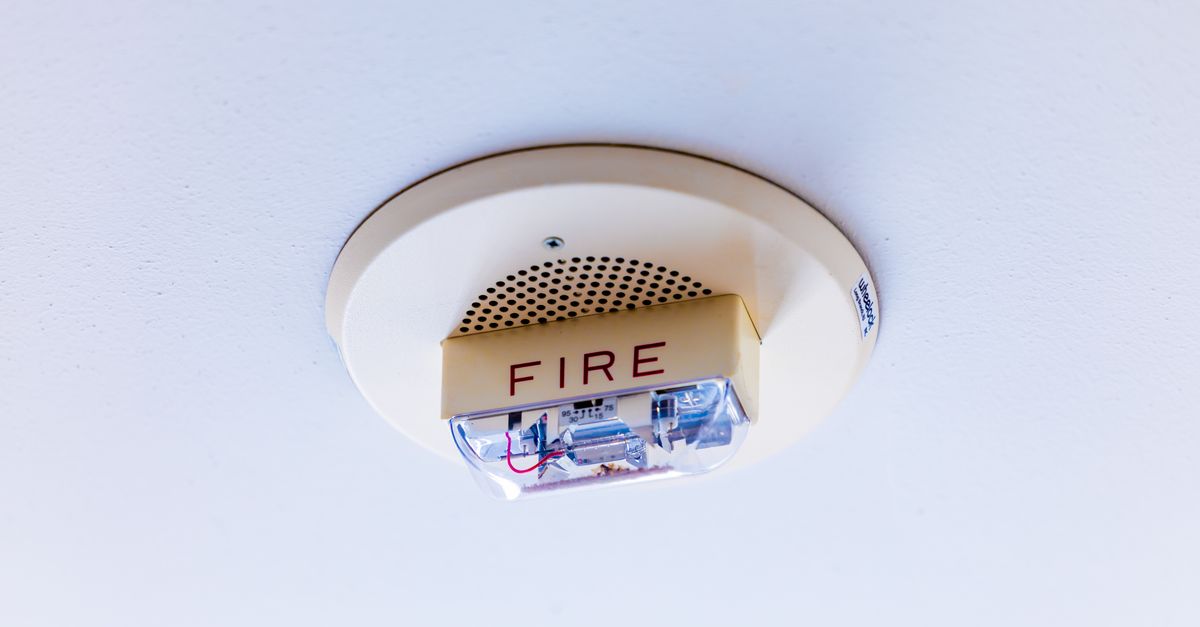
Fire services in every one of the four countries report the same finding: in a large share of fatal house fires, a smoke alarm was present but did not sound, and the most common reason was a dead or removed battery. The US National Fire Protection Association puts it plainly in its annual reports; the UK Home Office fire statistics and the Australian and Canadian equivalents say the same thing in their own numbers.
The sensor itself also ages. Ionisation and photoelectric sensors both degrade, and manufacturers specify a ten-year life for the unit, printed as a manufacture date on the back. A ten-year-old alarm that chirps happily when you press the button may not respond to smoke, because the button tests the electronics, not the sensing chamber.
Do: replace batteries yearly, or buy sealed ten-year units and replace the whole thing at the date. Test monthly. Guide: smoke alarm batteries and replacing the unit.
2. Carbon monoxide alarms (batteries yearly, unit every five to seven years)
Carbon monoxide is odourless, colourless, and produced by every fuel-burning appliance in the house: furnace, boiler, water heater, gas range, fireplace, and a car idling in an attached garage. Low-level exposure feels like flu. High-level exposure is fatal in the time it takes to fall asleep.
CO sensors have a shorter life than smoke sensors: five to seven years is typical, and the alarm will usually announce end-of-life with a distinct chirp pattern that people mistake for a low battery. Check the date on the back. Place one on every level with a bedroom and near, but not directly on top of, fuel-burning appliances.
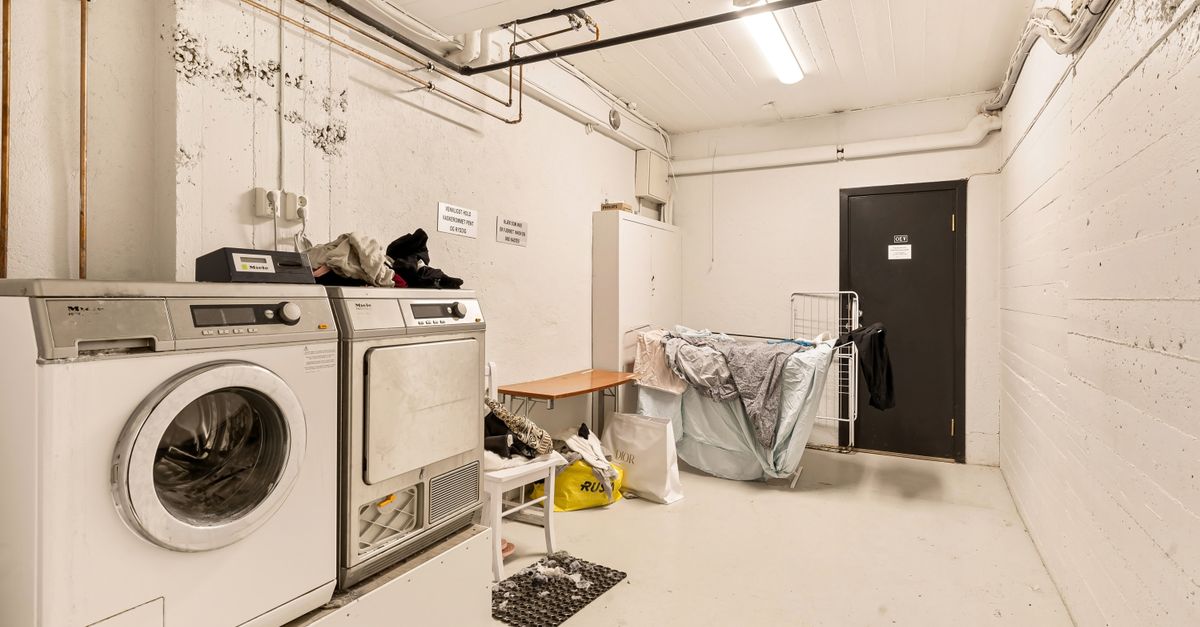
3. Dryer vent cleaning (yearly, more with heavy use)
The lint screen catches most lint. What gets past it accumulates in the duct between the dryer and the outside wall, and lint is close to ideal tinder. The US Fire Administration attributes several thousand residential fires a year to dryers, with failure to clean as the leading cause. The UK and Australia see the same pattern with condenser and heat-pump dryers, where the lint collects in the internal filter housing and condenser instead of a duct.
The warning signs are a dryer that takes longer than it used to, a hot casing, or a laundry room that feels humid while it runs. Disconnect the duct, clear it end to end (a drill-driven brush kit costs about the same as one professional visit), and check the outside flap opens freely.
Guide: dryer vent cleaning and deep-cleaning the lint trap housing.
4. The annual gas appliance service
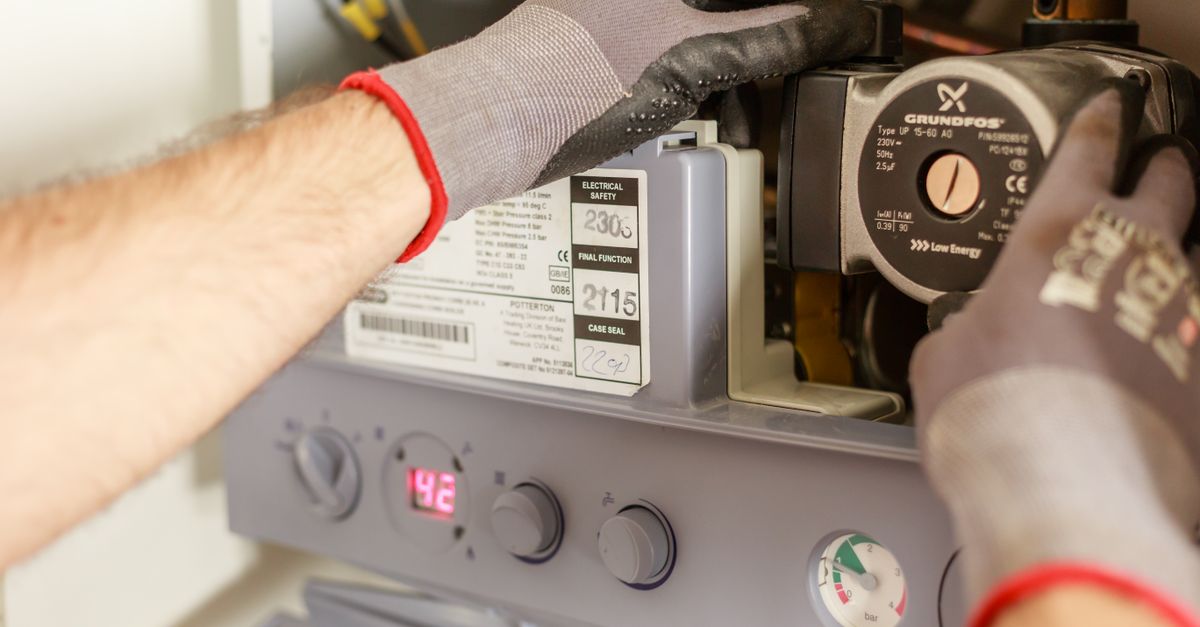
A gas boiler or furnace that combusts poorly produces carbon monoxide and can leak it into the home through a cracked heat exchanger or a blocked flue. The annual service exists to catch exactly that: the technician checks combustion with a flue gas analyser, inspects the heat exchanger, and confirms the flue is clear and sealed. It is a safety inspection that happens to also improve efficiency, not the other way around.
In the UK this is a legal matter: any gas work must be done by a Gas Safe registered engineer, and landlords must hold an annual Gas Safety Record. In Australia gasfitters must be licensed in each state. In the US and Canada licensing varies by jurisdiction but the recommendation, from manufacturers and from CSA and ANSI standards, is annual.
5. Fire extinguisher check (monthly glance, yearly inspection)
A kitchen extinguisher spends years untouched, which is when its pressure quietly drops or its powder compacts into a solid cake at the bottom. The monthly check takes ten seconds: gauge needle in the green, pin and tamper seal intact, no corrosion or dents. Once a year, turn a dry-powder unit upside down and listen for the powder to fall freely. Most household units carry a 10 to 12 year life, after which they are replaced rather than serviced.
6. Radon testing (every two years, and after any major renovation)
Radon is a naturally occurring radioactive gas that seeps from soil and rock into basements and ground floors. It is the second leading cause of lung cancer after smoking in the US, Canada and the UK, and it has no smell, colour or taste. The only way to know your level is to test, and levels vary house to house on the same street, so a neighbour’s result tells you nothing about yours.
Testing is cheap: a long-term kit (three months or more) gives the most reliable picture and costs a fraction of a single furnace service. If the result is over your country’s action level (4 pCi/L in the US, 200 Bq/m³ in Canada and the UK), mitigation is a well-understood job that a specialist installs in a day. Retest after any work that changes the foundation, ventilation or heating system.
Maintainly offers this task in the US, Canada, the UK, Ireland and the European countries with national radon programmes; it is not offered in Australia, where national surveys report low indoor radon and the health agencies do not recommend routine domestic testing. Guide: radon testing.
7. The periodic electrical inspection
Wiring ages. Insulation becomes brittle, connections loosen, and consumer units installed decades ago lack the residual current protection that stops a fault becoming a fire or an electrocution. In the UK, the Electrical Installation Condition Report (EICR) is the formal version of this: recommended every ten years for owner-occupiers and legally required every five years for rented homes since 2020.
In the US, Canada and Australia there is no equivalent scheduled inspection for owner-occupiers, which is precisely why it gets missed. The practical rule is: any home over 25 years old that has not had a licensed electrician assess the panel and a sample of circuits should book one, and again whenever you buy a property, add a major load (EV charger, heat pump, hot tub) or notice warm outlets, flickering or tripping breakers.
8. Chimney sweep and inspection (yearly if you burn wood)
Creosote, the tarry residue that condenses inside a flue when wood burns, is flammable, and a chimney fire can reach temperatures that crack the flue liner and ignite the house structure. Sweeping removes it; the inspection that comes with a professional sweep catches liner damage, blockages from nests, and cap and flashing problems before the heating season. Gas fireplaces need less frequent sweeping but still need the flue checked for blockage.
9. Knowing where the main water shut-off is (test it twice a year)
This one is on the list not because a stuck valve is dangerous in itself, but because a burst pipe with a valve you cannot find or cannot turn floods a home in minutes, and water through electrics is a hazard, not just a mess. Locate the main shut-off, make sure everyone in the house knows where it is, and turn it a quarter each way twice a year so it does not seize. A gate valve that has not moved in a decade will often snap its stem the first time you need it in a hurry.
How Maintainly treats these differently
Every task above carries the safety flag in Maintainly’s library. That flag does three concrete things: it moves the reminder earlier (seven days before due rather than three), it keeps the task at the top of your plan regardless of what else is due, and if a safety task goes more than a week overdue the reminder escalates to a time-sensitive notification that breaks through Focus modes. On the free plan, where the starter pack is capped at twenty tasks, safety tasks are never the ones dropped.
How this differs by country
United States
NFPA 72 recommends smoke alarms on every level, inside and outside each sleeping area, interconnected where possible. Many states require CO alarms in homes with fuel-burning appliances or attached garages. Radon: the EPA action level is 4 pCi/L and EPA zone maps show risk by county, but testing is the only way to know your house. No scheduled electrical inspection exists for owner-occupiers; a licensed electrician’s panel inspection at purchase and every ten years is the sensible default.
United Kingdom
Smoke alarms are required on every storey of rented homes and recommended everywhere; Scotland requires interlinked alarms in all homes since 2022. CO alarms are required in any room with a fixed combustion appliance in rented property. Gas work is legally restricted to Gas Safe registered engineers. The EICR is recommended every ten years for owner-occupiers and required every five for rentals. Radon: UKHSA publishes an interactive map and the action level is 200 Bq/m³.
Australia
Smoke alarm rules vary by state; Queensland requires interconnected photoelectric alarms in every bedroom in all homes by 2027, and most states require alarms to be replaced every ten years. CO alarms are not mandated but strongly recommended with any gas heater; Energy Safe Victoria advises servicing gas heaters every two years and testing open-flued heaters for CO spillage. All gas and electrical work must be done by licensed tradespeople. Radon is not a routine concern per ARPANSA surveys.
Canada
Provincial building and fire codes require smoke alarms on every storey and CO alarms near sleeping areas where there is a fuel-burning appliance or attached garage (Ontario since 2014, most other provinces similar). Health Canada’s radon action level is 200 Bq/m³ and it recommends every home be tested, with a long-term test over the heating season. Furnace service is universal given the climate; HRV cleaning is a Canadian-specific addition, since a clogged HRV core degrades the indoor air the system exists to protect.
Set these up in Maintainly
Each one becomes a reminder on your phone, timed for your climate and country. Free, no account needed.
Common questions
Which home maintenance tasks are the most important for safety?
Smoke and CO alarm maintenance first, because they are the last line of defence for every other failure. Then the annual gas appliance service, dryer vent cleaning and the fire extinguisher check. Radon testing and the electrical inspection matter enormously but on a longer cycle.
How often should smoke and CO alarms be replaced?
Smoke alarms every ten years from the manufacture date on the back; CO alarms every five to seven years depending on the model. Batteries yearly in both unless the unit is sealed. Pressing the test button does not test the sensor, only the circuit.
Do I need a professional for safety maintenance?
For gas appliance servicing, electrical inspection and chimney sweeping, yes, and in the UK and Australia it is a legal requirement for gas and electrical work. Alarm batteries, extinguisher checks, radon test kits and dryer vent cleaning are homeowner jobs.
What does Maintainly do differently for safety tasks?
It reminds you a week early instead of three days, keeps safety tasks at the top of the plan, escalates to a time-sensitive alert when one is over a week overdue, and never drops them when a free plan hits its task cap.
Stop tracking this by hand
Maintainly turns everything in this article into a plan for your home, drops what does not apply to you, and reminds you before each task is due.
More from the blog
How to build a home maintenance schedule that survives real life
Why most maintenance schedules die by month three, and five rules that keep one alive: fewer tasks, honest intervals, seasonal batches, one reminder.
What a home Maintenance Score actually measures, and how to raise yours
One number for the state of your home: what goes into it, why overdue safety tasks weigh most, what a good score is, and the fastest ways to move it.
The fall home maintenance checklist that actually prevents winter repairs
A fall checklist ordered by what fails first in winter: heating, water, roof and drainage, then comfort. With US, UK, Canada and Australia timing.