 Maintainly
Safety
How often do you need an EICR electrical safety check?
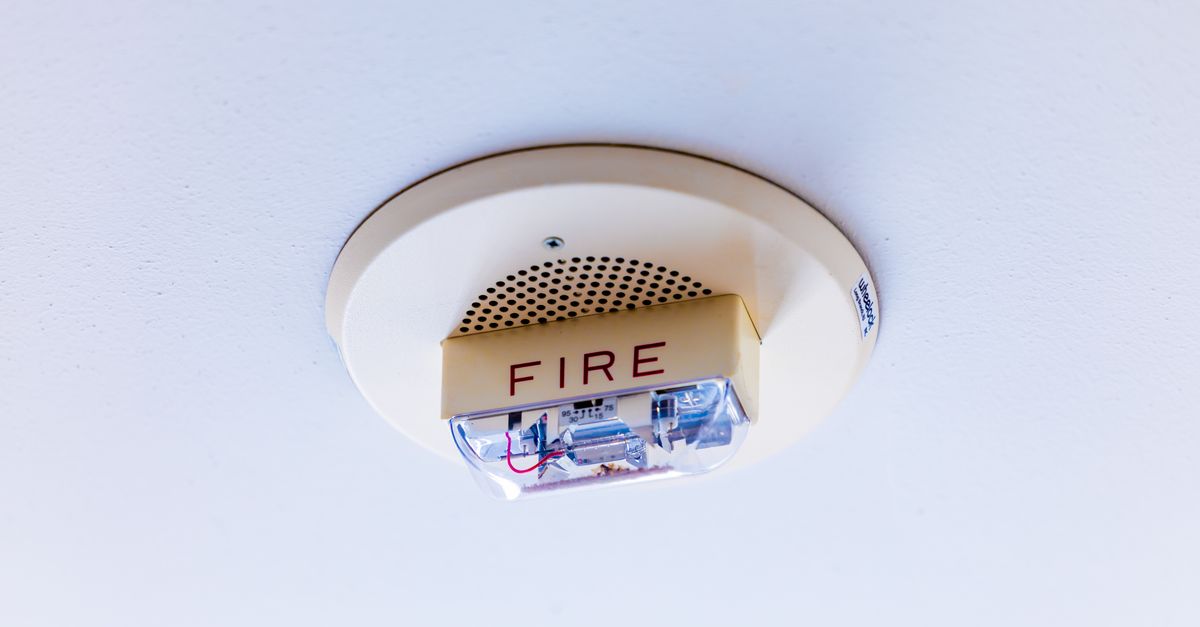
Electrical safety check (EICR) every 5 years. The commonly recommended range is every 5 years. An EICR finds wear and dangerous faults in your wiring before they cause a shock or fire. This is a safety-critical task, so do not let it slip.
A periodic electrical inspection is a qualified electrician testing the fixed wiring of the property and reporting on its condition. It is not a visual walk-through: it involves dead testing of insulation resistance and continuity, plus live testing of loop impedance and residual current devices.
Why does an EICR electrical safety check matter?
An EICR finds wear and dangerous faults in your wiring before they cause a shock or fire.
What happens if you skip an EICR electrical safety check?
Deteriorated insulation, loose terminations and missing earthing develop invisibly over decades. The failure modes are electric shock and fire, and both tend to arrive without warning. In the UK, a landlord without a current report is also breaking the law.
What does the professional actually do?
- Isolates circuits and tests insulation resistance to find degraded cable
- Verifies continuity of protective conductors and the main earthing and bonding
- Measures earth fault loop impedance to confirm protective devices will disconnect fast enough
- Tests every RCD or safety switch for trip time and trip current
- Inspects the consumer unit or panel for signs of overheating, and checks it is of an appropriate type
- Issues a report coding each observation, and the property either passes or does not
How do you choose someone qualified?
Use an electrician registered with the relevant national body for your country, and ask for the full report rather than a summary certificate. Codes matter: some observations require immediate remedial work and others are advisory.
What does it take?
How do you know an EICR electrical safety check is overdue?
- A fuse box with rewireable fuses or no RCD protection at all
- Rubber, lead or fabric insulated cable, which indicates wiring old enough to need urgent assessment
- Sockets or switches that are warm, discoloured, scorched or crackling
- Breakers that trip repeatedly, or lights that dim when appliances start
- No record of any inspection since you bought the property
What changes how often you need to do it?
- Rented property is on a fixed legal cycle in some countries rather than a recommendation
- A change of occupancy is always a sensible trigger
- Any addition such as an EV charger, a solar array or a heat pump changes the loading and warrants assessment
- Properties with swimming pools or extensive outdoor wiring justify shorter intervals
When should you stop and call someone?
All of it. Fixed wiring testing requires calibrated instruments and the competence to interpret the results, and in several countries doing the work yourself is unlawful.
Want this scheduled for you instead of remembered?
Get the free appDoes this differ in the US, UK, Australia or Canada?
United States
There is no national periodic inspection requirement for owner-occupied homes. Inspections happen at point of sale or when permits are pulled for work. Older homes with knob-and-tube wiring, ungrounded outlets or aluminium branch circuits are the priority cases, and some insurers require assessment or replacement before offering cover.
United Kingdom
This is the country where the EICR is a formal instrument. Private landlords in England must have an inspection at least every five years and provide the report to tenants and, on request, to the local authority. Owner-occupiers are advised to have one at least every ten years. Work must be done by a competent person registered with a scheme such as NICEIC or NAPIT.
Australia
There is no general EICR equivalent for owner-occupied homes. The Australian focus is on safety switches: RCDs are required on circuits in homes and should be push-button tested by the occupant every three to six months. Victoria requires rental providers to arrange an electrical safety check every two years by a licensed electrician, and Queensland requires safety switches on all circuits in rental properties.
Canada
No periodic inspection requirement for existing homes. The Electrical Safety Authority in Ontario and its provincial equivalents inspect new work under permit. Older homes with knob-and-tube or aluminium wiring frequently require an inspection and often remediation before an insurer will provide coverage, which is the practical trigger for most Canadians.
Common questions
Why does an EICR electrical safety check matter?
An EICR finds wear and dangerous faults in your wiring before they cause a shock or fire.
What happens if you skip an EICR electrical safety check?
An EICR finds wear and dangerous faults in your wiring before they cause a shock or fire. Skipping it does not usually fail immediately, which is exactly why it gets forgotten: the consequence arrives months later as a repair bill rather than as an obvious fault.
Does an EICR electrical safety check differ by country?
UK: an Electrical Installation Condition Report (EICR) is legally required every 5 years for rented homes and recommended for owner-occupiers. AU: no EICR equivalent; safety switches (RCDs) should be push-button tested every 3 to 6 months, and Victorian rentals need an electrical safety check every 2 years.
More Safety guides
Browse by area of the home
Stop tracking this by hand
Maintainly keeps this task and 65 others on schedule, tuned to your home's systems, climate and country, and reminds you before each is due.
Add just this one reminder and skip the setup.