 Maintainly
First-time homeowner? The maintenance to do in your first 90 days
The inspection or survey told you what was wrong. It did not tell you how the house works, where things are, or what needs doing when. Most first-time owners find that out one small emergency at a time over the first two years.
This is the shorter route: three months, in order, from "find the shut-offs" to "have a maintenance plan running on your phone". It assumes nothing about your handiness and defers anything involving gas, electricity or heights to a professional.
In the first week, find and label every shut-off and test the safety alarms. In the first month, record every appliance and its warranty, and book the heating service. By ninety days, have a written or app-based schedule so that maintenance arrives as reminders instead of surprises.
Week one: find the things you will need in an emergency
The first job in any home is knowing how to stop water, gas and electricity, because the moment you need to is not the moment to go looking. Walk the house with your phone and photograph each of these, then label them with tape and a marker so the next person, or you at 2am, can find them.
- Main water shut-off. Usually where the supply enters: basement wall, utility room, under the kitchen sink, or an outside meter box in warm climates and in the UK (the internal stop tap is typically under the kitchen sink). Turn it off and on once to confirm it moves. Guide.
- Water heater and boiler shut-offs. There is a cold-water isolation valve on the inlet and, for gas units, a gas valve on the supply pipe.
- Gas meter valve. A quarter-turn lever at the meter. Know where it is; do not practise with it, since relighting pilots and purging air is a job for the utility or a gasfitter.
- Electrical panel or consumer unit. Open it, find the main breaker, and check that the circuits are labelled. If they are not, an afternoon with a helper flipping breakers and shouting "which room?" is worth doing now.
- Furnace or boiler switch and filter location. Note the filter size; it is printed on the frame of the current one.
- Sump pump, septic access, well pressure tank if the house has them.

Week one: test every safety device
Press the test button on every smoke and CO alarm, and then turn each one over and read the manufacture date. Anything over ten years old (smoke) or over seven (CO) is replaced now, regardless of whether it chirps. Count the alarms against the rooms: every level, inside or immediately outside every bedroom, and a CO alarm near any fuel-burning appliance and any attached garage. Sellers rarely leave a house fully equipped, and this is the cheapest safety upgrade you will ever make.
Check the fire extinguisher gauge if there is one, or buy a 2 kg (5 lb) ABC unit for the kitchen if there is not. Guide: smoke alarm replacement.
Month one: record everything with a model number
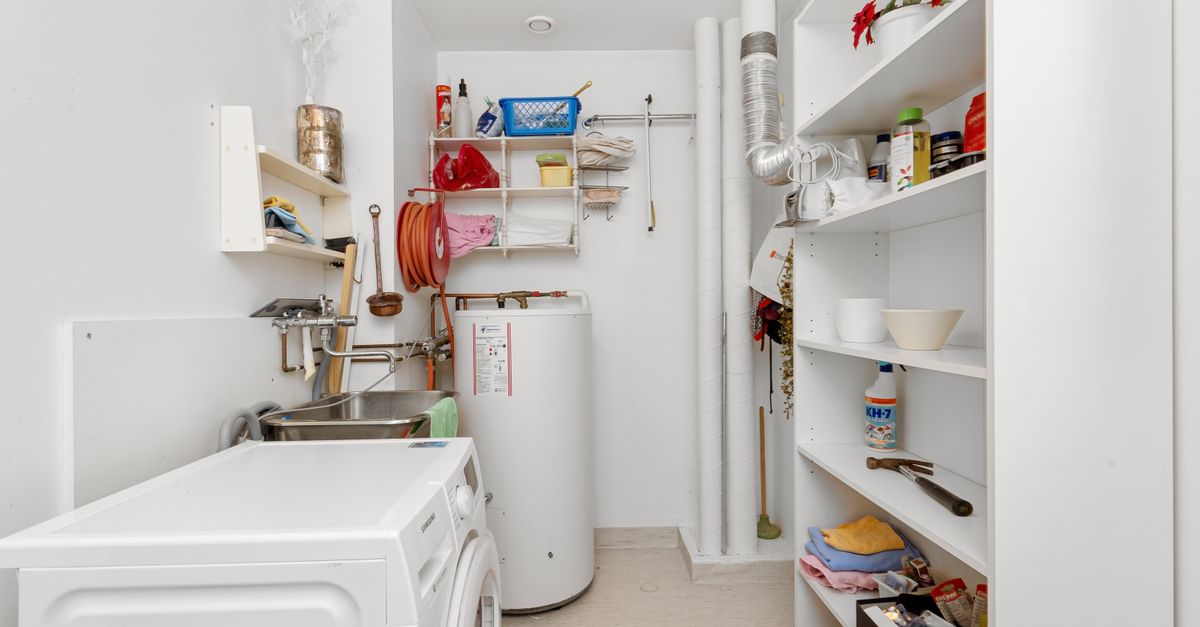
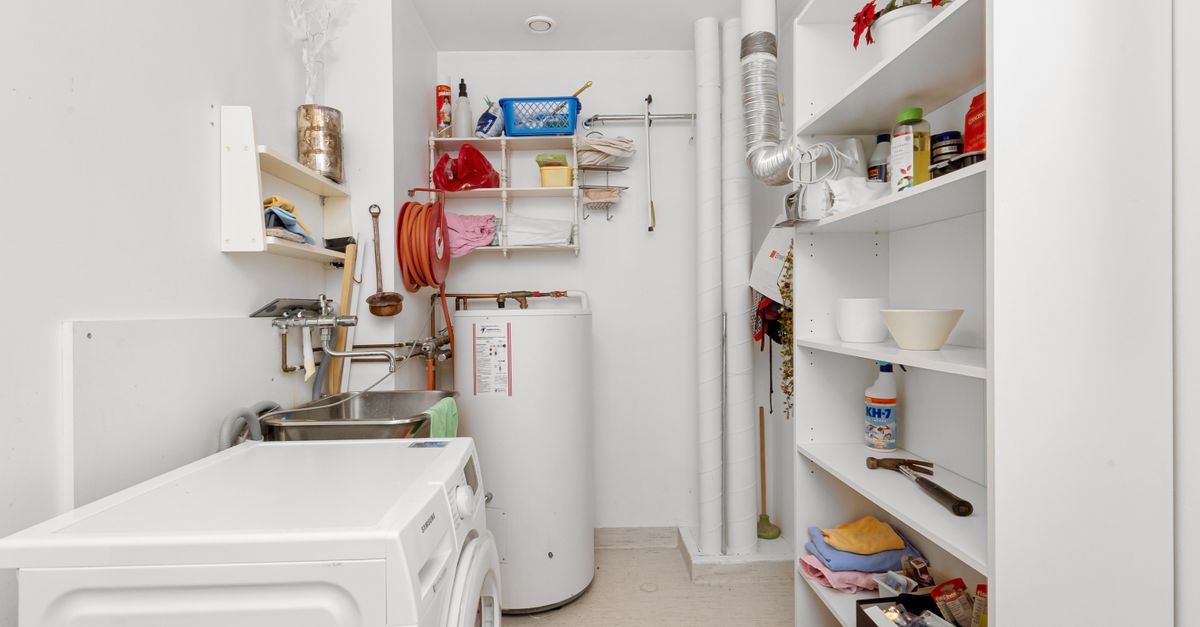
Every appliance and system in the house has a data plate with a brand, model and serial number. Photograph all of them now, while you have the energy of a new owner: furnace or boiler, air conditioner, water heater, range, refrigerator, dishwasher, washer, dryer, garage door opener, sump pump, water softener, irrigation controller.
Two things come from this list. First, you can look up each unit’s installation year (encoded in most serial numbers) and get a realistic picture of what is near the end of its life. A 14-year-old water heater is not a maintenance item; it is a replacement you should start pricing. Second, warranties: register anything still inside its warranty period, and file the paperwork. The Vault in Maintainly Pro exists for exactly this, but a folder on your phone works too.
While you are at it, find out from the seller’s disclosure, the survey, or the previous utility bills: when was the roof last done, when was the furnace or boiler last serviced, is there a septic tank and when was it last pumped, and has the house ever had a radon test.
Month one: the first three professional visits
You do not need a dozen tradespeople in the first month. You need three, and the order depends on season.
- Heating service. Unless the seller can show a service record from the last twelve months, book a furnace or boiler service now. It is a safety inspection as much as a tune-up, and in the UK it must be a Gas Safe registered engineer. Guide.
- Chimney sweep if there is a wood-burning fireplace or stove and you intend to use it. Never light the first fire in an unknown chimney. Guide.
- Septic pump-out if there is a tank and no record of one in the last three years. A neglected septic system is the most expensive surprise a rural buyer can get. Guide.
Month two: the quick wins you can do yourself
With the emergencies covered and the professionals booked, the second month is for the small recurring jobs that most previous owners neglected. None of these need tools beyond a screwdriver, a vacuum and a stepladder.
- Replace the HVAC filter. The one you find will almost certainly be grey. Buy a six-pack.
- Clean the dryer vent from the dryer to the outside wall. Previous owners very rarely did.
- Vacuum the refrigerator coils and check the door seals.
- Flush the water heater, or at least drain a bucket from the bottom valve to see how much sediment comes out.
- Check each toilet for a silent leak with food colouring in the tank; a running toilet is the most common cause of a shocking first water bill.
- Look in the gutters, and clear them if they are full. Check where the downspouts discharge.
- Walk the exterior after heavy rain and note where water pools against the foundation. Grading and downspout extensions fix most basement dampness for very little money.
Month three: turn the list into a schedule
By now you know what the house has and what state it is in. The final step is to stop relying on memory. Every task above recurs: filters every two months, the heating service yearly, gutters twice a year, alarms yearly, the water heater flush yearly, the chimney every autumn. Without a schedule, each one comes back as a vague worry that is easy to postpone.
A paper calendar works. A shared digital calendar works better. A purpose-built app works best, because it knows the intervals, adjusts for your climate and equipment, and reminds you before the due date rather than on it. Maintainly’s onboarding does the ninety-day audit above in about two minutes: you tell it what the house has, and it builds the plan with the safety tasks first, ordered by what is due soonest.
What to skip in the first 90 days
Renovation. The temptation to paint, replace the kitchen and re-do the bathroom in the first months is strong and understandable. Resist it until the maintenance baseline is in place, for two reasons. First, you will discover things in the first three months (the damp wall, the flickering circuit, the tank that is near its end) that change where the money should go. Second, living in a house for a season teaches you what you actually want to change, and it is rarely what you thought on moving day.
How this differs by country
United States
The seller’s disclosure and your inspection report are your starting inventory; read both again after moving in, since the inspector’s "monitor" items are your first maintenance list. Radon: if the house was not tested at purchase, test in the first heating season. Check whether your homeowners policy has a maintenance clause for freeze damage. Property tax and insurance escrow are not maintenance; keep a separate reserve fund.
United Kingdom
Your survey (HomeBuyer Report or Building Survey) grades items by urgency; the red items are your month-one list. Ask the seller or their agent for the boiler’s last Gas Safety Record and the EICR if one exists; if neither does, book a Gas Safe engineer for the boiler and consider an EICR, especially in a property over 25 years old. Find the internal stop tap (under the kitchen sink in most homes) and the external stopcock in the pavement. Leasehold flats: read the lease for what the freeholder maintains and what you do.
Australia
The building and pest inspection is the inventory; if it flagged termite activity or conducive conditions, an annual termite inspection is your first recurring professional visit and the most important one in most of the country. Find the water meter and its stop valve at the front boundary. Gas and electrical work must be licensed. In bushfire-prone areas, gutter guards and ember screens are maintenance, not optional extras. Seasons are inverted: if you move in between March and May, the heating service and gutter clean are due before winter rain.
Canada
CMHC’s homeowner guides are a free and thorough reference. Prioritise the furnace service and the winterising items if you move in between August and October. Find the main water shut-off (basement, where the line enters) and the outdoor hose bib interior shut-offs. If there is an HRV, learn how to clean its filters and core; it is often the most neglected appliance in a Canadian house. Radon: Health Canada recommends every home be tested, ideally over a winter with a long-term kit.
Set these up in Maintainly
Each one becomes a reminder on your phone, timed for your climate and country. Free, no account needed.
Common questions
What should a first-time homeowner do first?
Find and test the main water shut-off, locate the gas and electrical shut-offs, and test every smoke and CO alarm, replacing any past its date. Those four things take an afternoon and cover the emergencies.
What maintenance does a new house need?
Even a brand-new build needs HVAC filters changed, alarms tested, gutters and drainage checked and the heating serviced yearly. New homes also settle in the first year, so watch for cracking caulk, sticking doors and grading that has sunk toward the foundation.
How do I know how old my furnace, boiler or water heater is?
The serial number on the data plate encodes the manufacture date for nearly every major brand. Search the brand name plus "serial number date code" and you will find a decoder. Photograph every data plate in the first month.
Should I hire a home warranty or maintenance service?
A home warranty covers repairs, not maintenance, and has significant exclusions; read the contract. A maintenance schedule you control is cheaper and does more to prevent the repairs in the first place.
Stop tracking this by hand
Maintainly turns everything in this article into a plan for your home, drops what does not apply to you, and reminds you before each task is due.
More from the blog

How to build a home maintenance schedule that survives real life
Why most maintenance schedules die by month three, and five rules that keep one alive: fewer tasks, honest intervals, seasonal batches, one reminder.
What a home Maintenance Score actually measures, and how to raise yours
One number for the state of your home: what goes into it, why overdue safety tasks weigh most, what a good score is, and the fastest ways to move it.
The fall home maintenance checklist that actually prevents winter repairs
A fall checklist ordered by what fails first in winter: heating, water, roof and drainage, then comfort. With US, UK, Canada and Australia timing.