 Maintainly
The fall home maintenance checklist that actually prevents winter repairs
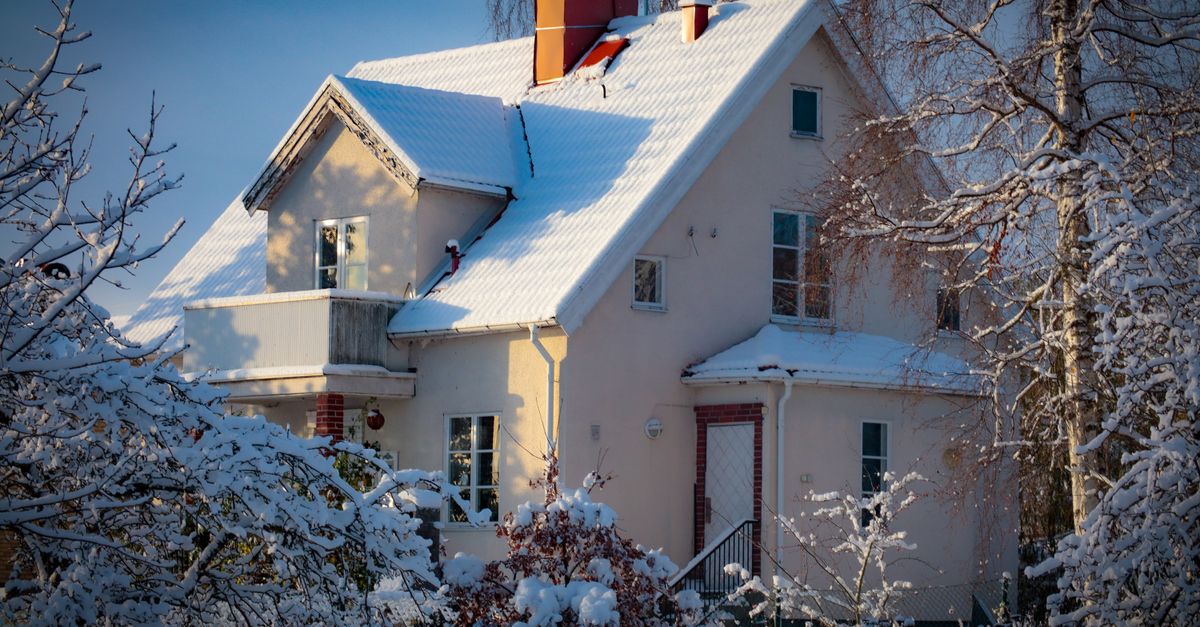
Most fall checklists are long lists of everything you could do. This one is ordered by consequence: the jobs at the top are the ones whose failure costs the most in January, and the ones at the bottom can slip a month without harm.
It is written for homes in the United States, Canada and the United Kingdom, where fall runs September to November, and for Australia, where the same jobs fall in March to May. Where a task differs by country, it says so.
Do the heating check, the outdoor water shut-off and the gutter clean before the first frost; everything else on a fall checklist can wait a few weeks, but those three turn into burst pipes, ice dams and no-heat emergencies if they are missed.
First: the heating system, before you need it
The first cold night is when every heating engineer’s phone rings at once. A furnace or boiler that has sat idle since spring can fail on ignition, run with a cracked heat exchanger, or simply be so clogged that it short-cycles. Testing it on a mild September afternoon costs nothing; discovering the problem in a cold snap costs an emergency call-out and a few days of waiting.
Run the system for twenty minutes while you are home and can hear it. Listen for a smooth ignition, a steady fan, and no burning-dust smell after the first few minutes. Then replace the filter: a fresh filter is the cheapest thing you can do for airflow, and a clogged one is the most common reason a furnace overheats and trips its limit switch.
- Test the heating before the season: forced air, boiler or heat pump, run it and listen.
- Replace the furnace filter (forced-air homes) and note the size on your phone so you never buy the wrong one again.
- Book the annual service now, while calendars are open. By November the good engineers are booked three weeks out.
- Boiler homes: the annual boiler service is a safety job, not a comfort job. Carbon monoxide from a poorly combusting boiler is the reason it is annual.
Second: anything that holds water outside
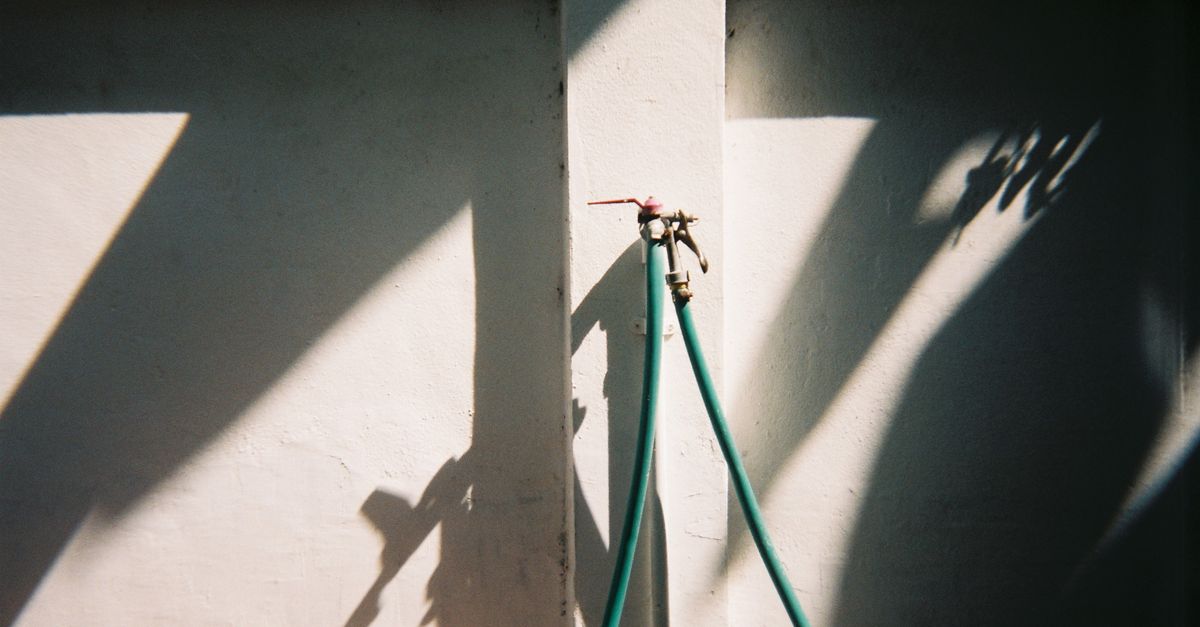
Water expands about nine percent when it freezes. A garden hose left connected to an outdoor tap holds water in the tap body, and the tap body is usually inside the wall. That is how a single forgotten hose becomes a burst pipe behind the drywall, discovered when the spring thaw arrives and the wall goes soft.
Disconnect every hose, drain it, and store it. If the tap has an interior shut-off valve, close it and open the outdoor tap to drain the run. If you have a frost-free tap, disconnecting the hose is still essential: the frost-free design only works with nothing attached.
Irrigation systems need a proper blow-out with compressed air in cold climates. Draining by gravity leaves water in the low points of the lines, and those are exactly where the pipe splits. In warm climates, skip this entirely; the guide explains how to tell which you are.
- Winterize outdoor taps: hoses off, interior valves closed, taps drained.
- Blow out the sprinkler system in any climate that sees a hard frost.
- Pool and hot-tub owners: follow the manufacturer’s closing procedure before the first freeze, not after.
Third: the roof, gutters and drainage
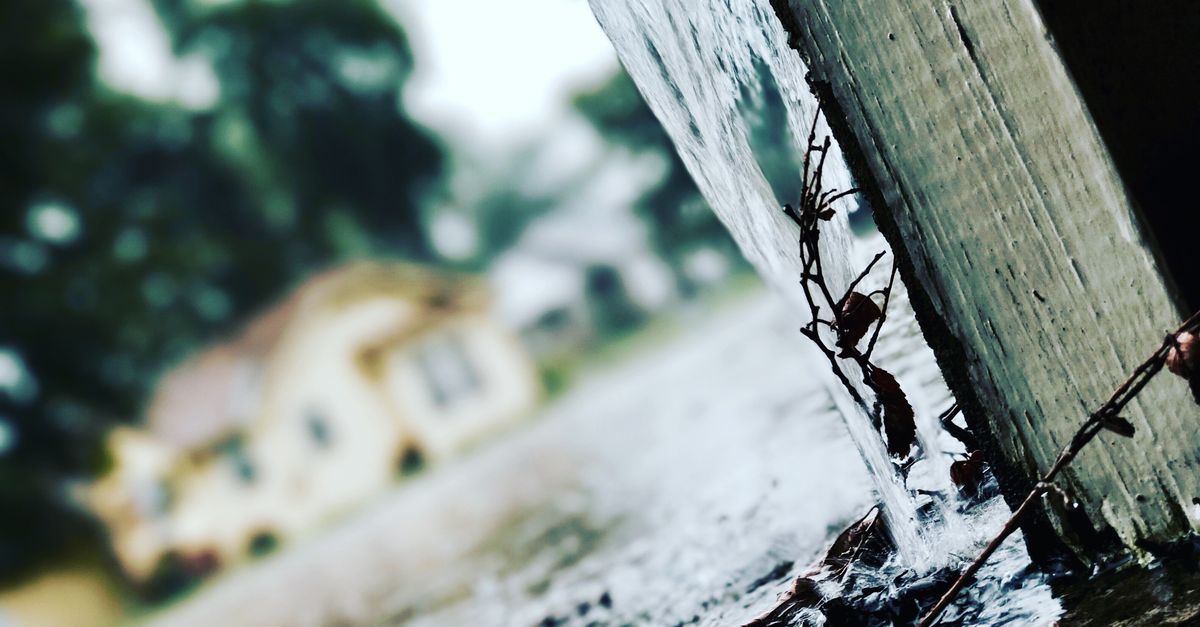
Gutters are cleaned in fall for one reason: ice dams. When leaves block the gutter, meltwater backs up on the roof edge, refreezes overnight, and builds a ridge of ice that forces the next melt under the shingles. The resulting leak shows up as a brown stain on a ceiling in February, and the repair is to the roof deck, the insulation and the ceiling, not just the gutter.
Clean once the majority of leaves have dropped, which in most of the US, UK and Canada is late October to mid-November. Cleaning in September only to have the oaks drop in November wastes the effort. While you are up there, or while a professional is, check that downspouts discharge at least a metre from the foundation and that nothing is pooling against the house.
A roof inspection from the ground with binoculars is worth ten minutes: lifted or missing shingles, cracked flashing around chimneys and vents, and moss build-up all worsen under snow load and freeze-thaw cycles.
- Clean the gutters after leaf-fall, and clear the downspouts, not just the troughs.
- Inspect the roof from the ground; call a roofer for anything you can see from there.
- Sweep the chimney before the first fire of the season if you burn wood. Creosote fires start in October.
Fourth: the safety devices
Heating season is carbon monoxide season. Furnaces, boilers, gas fires and wood stoves all produce CO, and windows are closed. Every CO alarm should be tested now, and any alarm past its end-of-life date (printed on the back, usually seven to ten years from manufacture) replaced. A CO alarm with a dead sensor still beeps when you press the test button, because the button tests the circuit, not the sensor. The date is the only reliable check.
Smoke alarms follow the same logic. If yours take replaceable batteries, change them now; the clocks-change weekend is the traditional reminder in the US, UK and Canada. Ten-year sealed units need replacing as a whole at the ten-year mark.
- Test CO alarms and replace batteries; check the manufacture date on each unit.
- Replace smoke alarm batteries, or the whole unit if it is a sealed ten-year alarm past its date.
- Check the fire extinguisher gauge is in the green and the pin is intact.
- Clean the dryer vent: lint fires peak in winter when dryers run longest.
Fifth: comfort and efficiency
With the failure-prevention jobs done, the remaining items save money rather than avoid disasters. Sealing gaps around windows and doors is the highest-return job on this list for the time it takes: a tube of caulk and an afternoon typically closes gaps that were leaking heated air all winter. Reverse ceiling fans to clockwise so they push warm air down. Bleed radiators in boiler homes so the top of each radiator gets hot, not just the bottom.
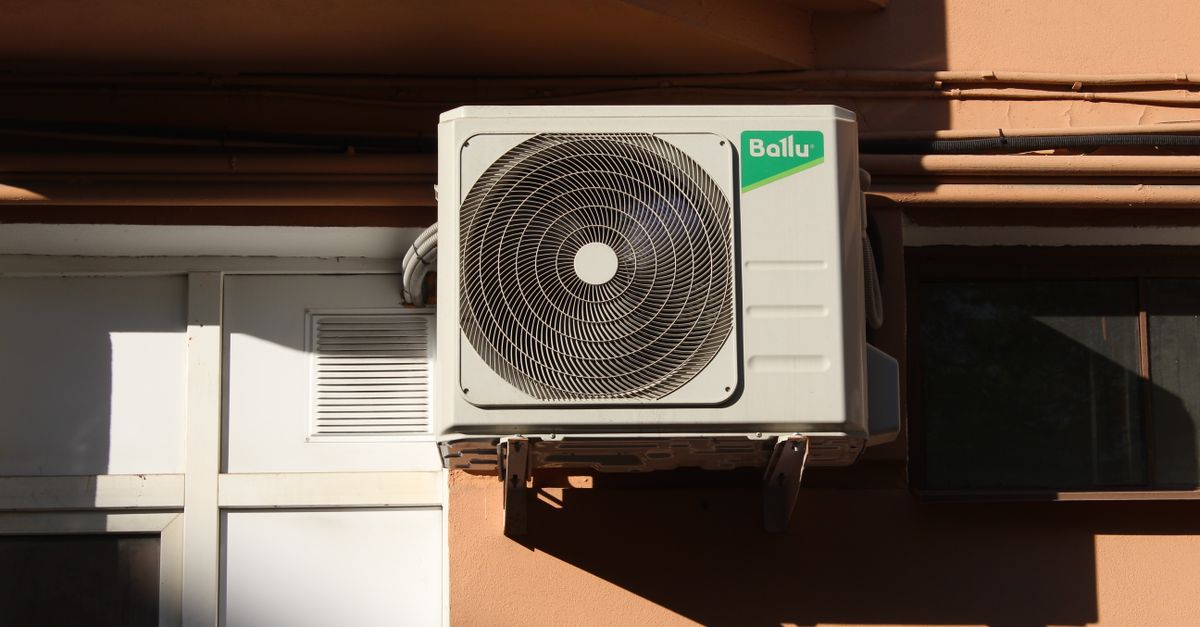
If you have a heat pump, clear leaves and debris from around the outdoor unit and make sure nothing will pile snow against it. A heat pump needs airflow through the coil to work in cold weather, and a unit half-buried in leaves and then snow will run its backup electric heat all winter.
- Seal windows and doors where you can feel a draft or see daylight.
- Reverse ceiling fans, bleed radiators, and check the thermostat schedule matches your actual routine.
- Service the heat pump and keep the outdoor unit clear.
How to make this the last year you do it from memory
The reason fall maintenance gets missed is not that people do not know about it. It is that the tasks arrive as a vague sense of "I should probably..." in October and then the first frost makes the decision. A reminder that arrives two weeks before each job, in the right order, on your phone, is the difference between a checklist and a plan.
Maintainly builds this checklist for your home specifically: it drops the sprinkler blow-out if you have no irrigation, drops the boiler service if you have a heat pump, and shifts every date by six months if you live in the southern hemisphere. Each task below has an "Add this reminder" link that puts it straight onto your plan.
How this differs by country
United States
Fall runs September to November, with first frost anywhere from late September (northern Plains, Rockies, northern New England) to never (Florida, southern Texas, coastal California). The Farmers’ Almanac and your local NWS office publish average first-frost dates by county; work back two weeks from that date for the outdoor water jobs. Homeowners insurance generally excludes freeze damage where the owner failed to maintain heat or drain systems, so the winterizing tasks matter for coverage as well as for pipes.
United Kingdom
Autumn runs September to November. The UK rarely sees the deep freezes of North America, but burst pipes remain the most common winter insurance claim according to the Association of British Insurers, largely because so many homes have pipework in unheated lofts and outside walls. Bleeding radiators and checking the boiler pressure gauge sits at or above one bar are the two jobs that most often fix "the heating is not working" calls in October. Gas work, including the boiler service, must be done by a Gas Safe registered engineer by law.
Australia
Australia’s autumn is March to May, and this checklist applies then. For Hobart, Canberra, the Victorian and NSW high country and inland regions that frost, the water and heating items are real; for Brisbane, Perth and anywhere north, skip the winterizing entirely and treat this as a gutter, roof and safety-device season ahead of winter rain. Gas heater servicing every two years is the Energy Safe Victoria recommendation, with an annual check for older open-flued heaters.
Canada
Fall is September to November and the stakes are the highest of the four countries: most of Canada sees sustained temperatures well below freezing, and a missed hose bib or an unblown sprinkler line will split. Insurers commonly require the home be heated and checked regularly if unoccupied in winter. Furnace filter and annual service are near-universal; if you have an HRV, clean its filters and core now so it runs efficiently through the months the windows stay shut.
Set these up in Maintainly
Each one becomes a reminder on your phone, timed for your climate and country. Free, no account needed.
Common questions
When should I start fall maintenance?
Start the heating check and the outdoor water shut-off about two weeks before your area’s average first frost. Gutter cleaning waits until most leaves have dropped. Everything else fits anywhere in September to November (March to May in Australia).
What is the single most important fall maintenance task?
Disconnecting hoses and draining outdoor taps. It takes ten minutes, costs nothing, and prevents the most common and most expensive winter failure, a burst pipe inside a wall.
Do I need a professional for any of this?
The furnace or boiler annual service should be done by a qualified technician (Gas Safe registered in the UK, licensed gasfitter in Australia). Chimney sweeping and irrigation blow-outs are usually professional jobs too. The rest is safe for most homeowners with a stepladder and an afternoon.
How long does a full fall checklist take?
Spread over three weekends, roughly six to eight hours of your own time plus two professional visits. Done in a single weekend it is exhausting and the gutters will probably not be ready yet, which is why a reminder schedule beats a list.
Stop tracking this by hand
Maintainly turns everything in this article into a plan for your home, drops what does not apply to you, and reminds you before each task is due.
More from the blog
How to build a home maintenance schedule that survives real life
Why most maintenance schedules die by month three, and five rules that keep one alive: fewer tasks, honest intervals, seasonal batches, one reminder.
What a home Maintenance Score actually measures, and how to raise yours
One number for the state of your home: what goes into it, why overdue safety tasks weigh most, what a good score is, and the fastest ways to move it.
How to winterize your home, by climate: what cold, temperate and warm regions actually need
Winterizing is not one list. Cold climates drain and insulate, temperate ones fight damp and the odd freeze, warm ones prepare for storms. US, UK, CA, AU.