 Maintainly
How to winterize your home, by climate: what cold, temperate and warm regions actually need
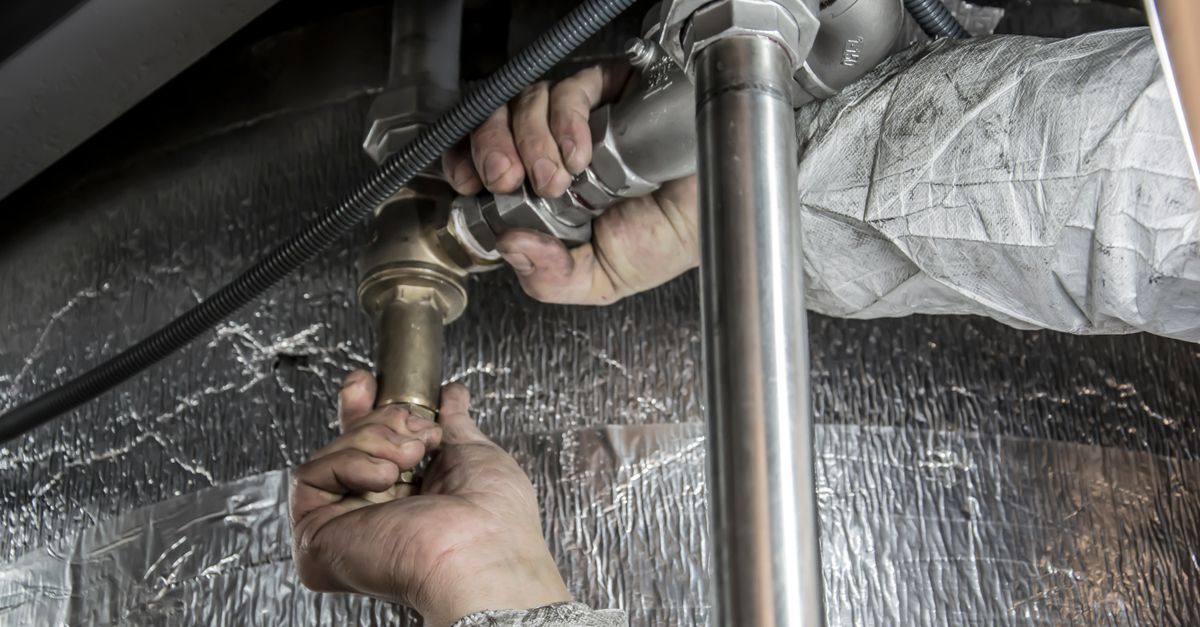
Search "how to winterize a house" and you will get a list written for Minnesota. If you live in Minnesota, it is correct. If you live in Bristol, Brisbane or Vancouver, half of it is irrelevant and it misses the things that actually go wrong in your winter.
This guide splits the job three ways by climate, because the risks are genuinely different: sustained freezing, occasional freezing with a lot of damp, and no freezing but a wet or stormy season. Find your band, do that list, and skip the rest with a clear conscience.
Cold-climate winterizing is about keeping water from freezing anywhere it can expand: drain, insulate and heat. Temperate winterizing is about the one or two freezes a year plus months of damp: insulate exposed pipes, fix ventilation, and service the heating. Warm-climate winterizing is storm and rain preparation: roof, gutters, drainage and the seals around openings.
Which band are you in?
Cold: winter lows regularly below -5°C (23°F) for days at a time. Most of Canada, the northern and mountain US, the Scottish Highlands, alpine Australia and Tasmania’s highlands.
Temperate: a handful of frosts or a short freeze most winters, but sustained cold is rare. Most of the UK and Ireland, the US Pacific Northwest and mid-South, coastal British Columbia, Melbourne, Canberra, Adelaide and Hobart.
Warm: frost is rare or unknown. The US Gulf Coast, Florida and Southern California, Brisbane, Perth, Sydney’s coast and everywhere north.
Maintainly works this out from your postcode or ZIP and country when you set up a home, and drops the tasks that do not apply, which is why a Brisbane home is never asked to blow out its sprinklers.
Cold climates: keep water from freezing where it can expand
Water expands nine percent on freezing and does so with enough force to split copper, PEX and cast iron alike. Every cold-climate winterizing task is a version of "make sure no water is sitting anywhere that will drop below zero". Work from outside in.
- Disconnect and drain every hose, then close the interior shut-off for each outdoor tap and open the tap to drain the run. Frost-free taps still need the hose off. Guide.
- Blow out the irrigation system with compressed air, zone by zone. Gravity draining leaves water at the low points, which is exactly where lines split. Guide.
- Insulate exposed pipes in crawl spaces, garages, unheated basements and along exterior walls with foam sleeves. Heat cable on the sections that have frozen before.
- Seal air leaks where pipes pass through the rim joist or foundation. Cold air blowing directly on a pipe freezes it faster than a cold room does.
- Service the heating and replace the filter before the season, then set the thermostat to hold at least 12°C (55°F) whenever the house is empty. Most freeze claims happen in unoccupied homes. Guide.
- Know the main shut-off and test that it turns. If a pipe does burst, closing it in thirty seconds instead of five minutes is the difference between a wet floor and a gutted room. Guide.
- Clean the gutters and check the roof after leaf-fall so meltwater drains rather than forming ice dams. Check attic insulation and ventilation: a warm attic melts the snow that then refreezes at the eaves. Guide.
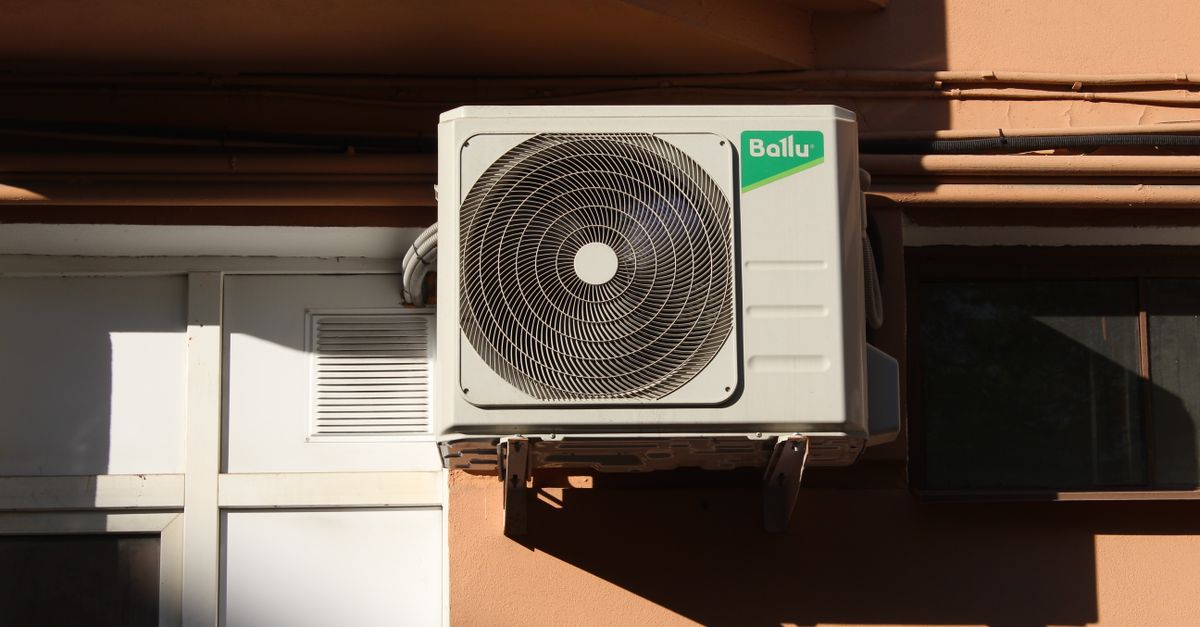
- Clear around the heat pump and plan for snow: the outdoor unit needs air through the coil and clear drainage for defrost water.
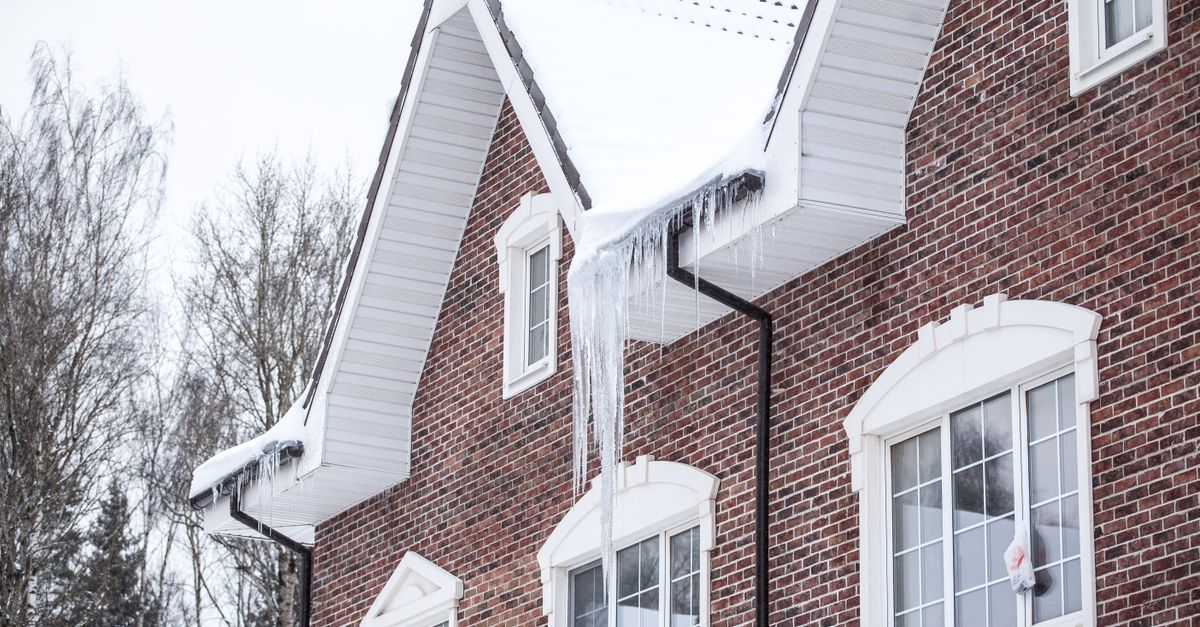
Temperate climates: the two freezes a year and four months of damp
Temperate homes rarely burst a buried pipe, but they burst plenty of pipes in lofts, garages and outside walls, because the building was never designed for a hard freeze and the one cold snap a year finds the weak spot. The UK’s insurers list escape of water as the largest single category of home claim, and a large share of it is winter freeze in unheated spaces. The other temperate enemy is damp: condensation, mould and rot from months of cold, wet air and closed windows.
- Insulate the pipes in the loft, garage and any exterior wall, and lag the cold-water tank if you have one. This is the whole game for temperate freeze protection.
- Disconnect hoses and cover or drain outdoor taps. The exposure is lower than in a cold climate, but a tap body inside a wall still splits at -4°C. Guide.
- Service the boiler or heating and check the pressure gauge and the radiators; bleed any with a cold top. Set a low frost-protection temperature for holidays rather than switching off. Guide.
- Manage damp actively. Run extractor fans in bathrooms and kitchens, keep trickle vents open, and look at north-facing corners and behind wardrobes monthly for the first signs of mould. A dehumidifier in the worst room pays for itself in avoided redecoration.
- Clear gutters and check the roof and pointing before the wettest months. Water that cannot get away is what causes damp walls, not the rain itself. Guide.
- Seal draughts at windows, doors, letterboxes and floorboards. It is comfort and money more than protection, but it also reduces the condensation that cold surfaces create. Guide.
Warm climates: prepare for water arriving, not freezing
If your winter is the wet season, or your "winter" is 15°C and sunny, freeze protection is irrelevant and can be dropped entirely. The winter risks in warm climates are storms, heavy rain and wind, plus the slow damage of humidity to anything that does not dry out. The list is shorter and mostly about the building envelope.
- Clean gutters and downpipes and confirm they can carry a heavy downpour without overflowing into the eaves or against the walls. Guide.
- Inspect the roof for lifted tiles or shingles, cracked flashing and blocked valleys; wind gets under the first lifted edge and takes the rest. Guide.
- Check seals around windows, doors and any roof penetrations, and the caulk around external fixtures. Guide.
- Check drainage around the foundation and clear surface drains and grates. Pooling water against a slab or into a crawl space is the warm-climate equivalent of a burst pipe.
- Service the heating if you have any, including reverse-cycle air conditioners, which need their filters cleaned before they switch to heating. Guide.
- Test the sump pump if the house has one; the wet season is when it earns its keep. Guide.
The tasks every band shares
- Test smoke and CO alarms. Heating season is CO season wherever heating exists. Guide.
- Clean the dryer vent; dryers run longest in winter. Guide.
- Sweep the chimney before the first fire if you burn wood. Guide.
- Swap to winter tyres where the law or the climate calls for it (Quebec mandates them; much of Canada and the northern US should). Guide.
Timing, and the mistake most lists make
The freeze-protection tasks must be done before the first hard frost, and average first-frost dates are published for every region by the national weather services. Work two weeks back from that date. Gutter cleaning, by contrast, has to wait until the leaves are mostly down, which is often after the first frost. Doing both on the same October weekend means either the hoses were left connected too long or the gutters fill again in November.
That is the argument for a schedule over a list: the tasks have different right dates, and the right dates move with your location. Maintainly sets them for your climate and reminds you in sequence, and it flips the whole calendar for the southern hemisphere so a Hobart home winterizes in May, not November.
How this differs by country
United States
USDA plant hardiness zones are a useful proxy: zones 3 to 6 are cold, 7 to 8 temperate, 9 and above warm. Insurers typically deny freeze claims where the owner did not maintain heat or drain the system, so the cold-climate list is a coverage requirement as well as a plumbing one. Most utilities offer free or subsidised home energy audits that find the air leaks feeding pipe freezes.
United Kingdom
Nearly all of the UK is temperate; only the Highlands and high ground in the north of England reach the cold band. The Association of British Insurers reports escape of water as the most costly domestic claim category, driven by winter bursts in lofts and unheated spaces, so pipe and tank lagging is the highest-value job. Keep the heating on a low setting rather than off when away in winter. Boiler servicing is Gas Safe work by law.
Australia
Australia’s winter is June to August, so this list applies in April and May. Alpine areas, Canberra, Tasmania and the inland south are temperate to cold; Hobart, Melbourne and Adelaide see frosts and the occasional pipe burst. Brisbane, Perth, Darwin and the coast north of Sydney are warm and can skip freeze protection entirely. Reverse-cycle air conditioners are the most common heating and need clean filters before switching modes. Gutter guards matter for both winter rain and summer bushfire embers.
Canada
Almost all of Canada is in the cold band; coastal BC is the temperate exception. The full cold-climate list applies and the stakes are high: a single unblown irrigation zone or forgotten hose bib will split. Many insurers require regular checks of an unoccupied home in winter (often every 72 hours) or the shut-off of the water supply. Winter tyres are mandatory in Quebec from December 1 and strongly advised everywhere else. HRV filters and cores should be cleaned going into the season.
Set these up in Maintainly
Each one becomes a reminder on your phone, timed for your climate and country. Free, no account needed.
Common questions
What temperature do pipes freeze at?
Water freezes at 0°C (32°F), but pipes inside a house usually need sustained outdoor temperatures around -6°C (20°F) or lower before interior pipes freeze, because the building provides some protection. Pipes in exterior walls, unheated garages, lofts and crawl spaces freeze at much milder temperatures, and those are where the bursts happen.
Do I need to winterize if I live somewhere warm?
Not against freezing, no. But winter in warm climates is often the wet or windy season, and the gutter, roof, drainage and seal checks matter just as much. Skip the pipe work and do the water-management work.
Should I turn the heating off when I go away in winter?
No. Set it to hold a low temperature, around 12°C (55°F), so interior pipes stay above freezing. If you will be away for weeks in a cold climate, also shut off the main water supply and drain the taps.
When should I winterize?
Freeze protection two weeks before your area’s average first frost; gutters after leaf-fall; heating service any time from late summer. In the southern hemisphere, all of this happens in April and May.
Stop tracking this by hand
Maintainly turns everything in this article into a plan for your home, drops what does not apply to you, and reminds you before each task is due.
More from the blog
How to build a home maintenance schedule that survives real life
Why most maintenance schedules die by month three, and five rules that keep one alive: fewer tasks, honest intervals, seasonal batches, one reminder.
What a home Maintenance Score actually measures, and how to raise yours
One number for the state of your home: what goes into it, why overdue safety tasks weigh most, what a good score is, and the fastest ways to move it.
The fall home maintenance checklist that actually prevents winter repairs
A fall checklist ordered by what fails first in winter: heating, water, roof and drainage, then comfort. With US, UK, Canada and Australia timing.