 Maintainly
How often should you check a home battery?
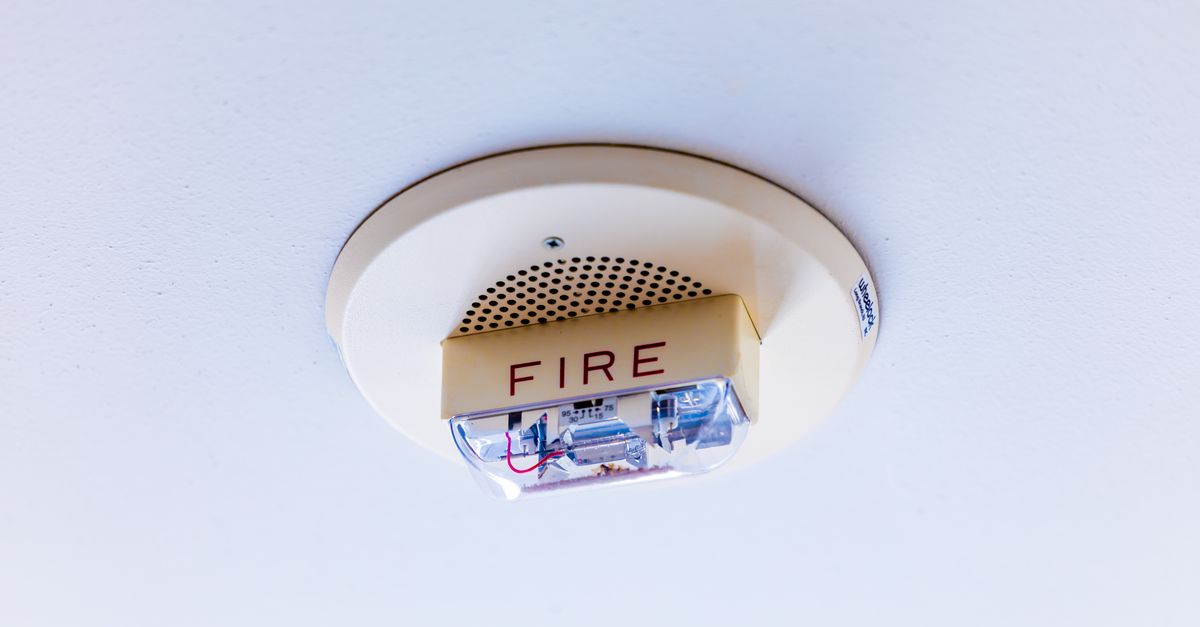
Check the home battery once a year. The commonly recommended range is yearly, or as the installer's warranty requires. Blocked ventilation, stored clutter and ignored fault codes are what turn a battery fault into a fire. This is a safety-critical task, so do not let it slip.
Home batteries are sealed units that manage themselves, and the owner should never open one. What the owner can do is keep the space around it clear, notice fault codes early, and make sure the warranty conditions are being met.
Why does checking your home battery matter?
Blocked ventilation, stored clutter and ignored fault codes are what turn a battery fault into a fire.
What happens if you skip checking your home battery?
Clutter stacked against the unit, a blocked vent or an ignored fault makes any battery problem worse, and Australian electrical regulators treat a home battery as a possible source of ignition. Some warranties also set servicing or connectivity conditions.
How do you do it?
- Clear the space around the battery. Keep the clearance the manual specifies, and move anything flammable such as cardboard, fuel cans or paint.
- Check the app and the unit for faults. Look for fault codes, capacity warnings and whether the battery still reaches full charge on sunny days.
- Confirm firmware updates are installing. Most batteries update over the internet. A battery that has been offline for months may be missing updates.
- Look for heat, swelling or smells. The casing should be intact and not unusually hot. Any swelling, hissing or chemical smell means switch off at the isolator if safe and call the installer.
- Check the warranty terms. Note whether the maker requires servicing at set intervals, and keep the installation certificate and invoices in the vault.
What does it take?
How do you know checking your home battery is overdue?
- A fault code or offline status in the app
- Capacity dropping faster than the warranty allows
- Clutter stored against the unit
What do people get wrong?
- Storing garden fuel or paint next to the battery
- Letting the internet connection lapse so updates and monitoring stop
When should you stop and call someone?
Immediately for swelling, heat, smoke, hissing or a chemical smell. For any repeated fault code, use the installer.
Does this differ in the US, UK, Australia or Canada?
United States
Where a battery may be installed depends on the code your local jurisdiction has adopted; ask the installer or the building department before moving one or building around it.
United Kingdom
Use the original installer or one the manufacturer approves for servicing, and keep the installation certificate.
Australia
Installations follow AS/NZS 5139, which restricts where a battery can go (not in escape routes, under stairs or in ceiling spaces, and not close to windows of habitable rooms) and keeps unrelated appliances out of a zone around it. Do not add appliances or storage in that zone.
Canada
Keep the battery within the temperature range in the manual, and ask the installer before relocating it to an unheated garage.
Frequently asked questions
Why does checking your home battery matter?
Blocked ventilation, stored clutter and ignored fault codes are what turn a battery fault into a fire.
What happens if you skip checking your home battery?
Clutter stacked against the unit, a blocked vent or an ignored fault makes any battery problem worse, and Australian electrical regulators treat a home battery as a possible source of ignition. Some warranties also set servicing or connectivity conditions.
Does checking your home battery differ by country?
Universal. Warranties often require installer servicing at set intervals; keep the invoices in the vault.
How we put this together
The figures, intervals and legal points on this page were checked against the sources listed below. The default interval and accepted range are the ones Maintainly uses in its task library. Costs and times are typical ranges and vary by region and by home. Your own manufacturer's instructions come first, and gas, electrical and structural work belongs with a qualified professional. How we research and write.
Sources
- Battery Energy Storage System: Installation requirements (AS/NZS 5139:2019), Electrical Regulatory Authorities Council (ERAC). Checked 11 October 2026.
Next steps
Put this on a schedule so it does not depend on memory. Maintainly keeps this task and 65 others on time for your home's systems, climate and country, and reminds you before each one is due. It is free for one home and needs no account.
Add this reminder to Maintainly