 Maintainly
Safety
How often should you check e-bike and scooter charging safety?
Check e-bike and scooter charging safety once a year. The commonly recommended range is yearly, and whenever you buy a new battery or charger. Damaged or mismatched lithium-ion batteries can burst into flames while charging, often near an exit. This is a safety-critical task, so do not let it slip. It is seasonal work, best done in autumn / fall.
E-bikes, e-scooters, power tools and mobility scooters all run on lithium-ion batteries. The rare battery fire usually starts while charging, and it spreads fast. A yearly look at every battery and charger in the home, and at where they charge, takes ten minutes.
Why does checking e-bike and scooter charging safety matter?
Damaged or mismatched lithium-ion batteries can burst into flames while charging, often near an exit.
What happens if you skip checking e-bike and scooter charging safety?
A damaged or mismatched battery can go into thermal runaway, releasing toxic gases and fire that is very hard to put out. Charging in a hallway puts that fire between people and the way out.
How do you do it?
- List every lithium-ion battery that charges at home. E-bikes, scooters, tool batteries, mobility aids and hoverboards. Include spares in cupboards.
- Inspect each battery. Retire any battery that is swollen, cracked, dented, leaking, gets unusually hot, or has been dropped hard or soaked.
- Match chargers to batteries. Use the charger made for that battery. Cheap replacement chargers without proper certification are a common cause of fires.
- Choose a safe charging spot. Charge on a hard surface away from exits, beds and anything flammable, and never under stairs or in the only route out.
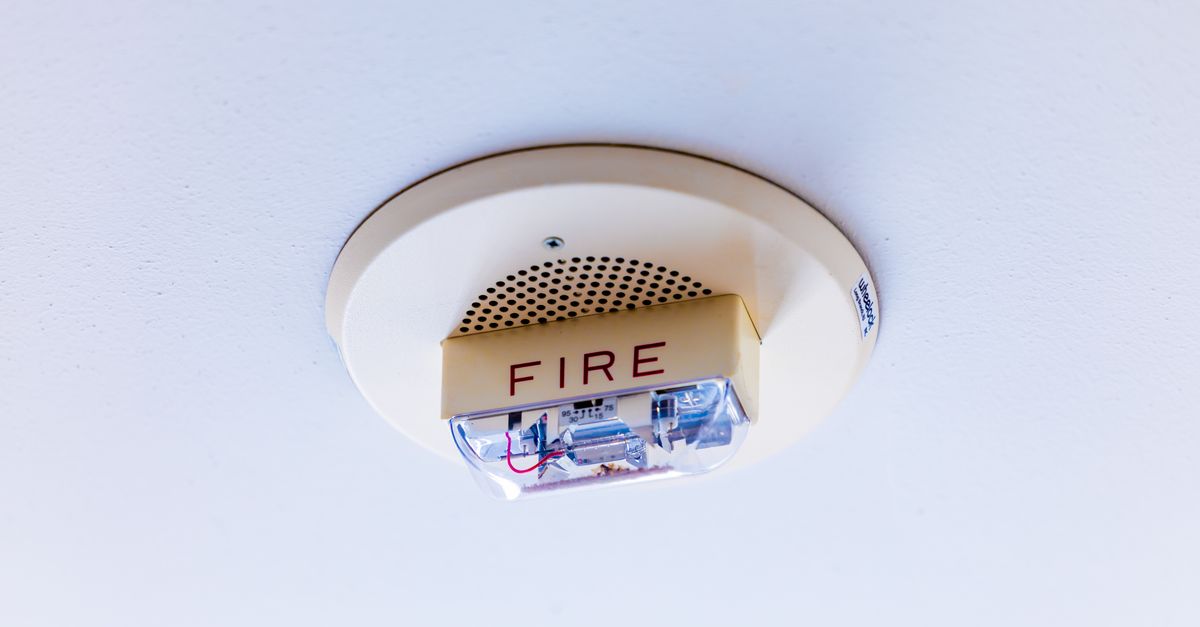
- Charge while awake and nearby. Unplug when charged rather than charging overnight, and make sure a working smoke alarm covers the charging spot.
- Recycle damaged batteries properly. Do not put lithium batteries in household waste. Use a battery recycling point.
What does it take?
How do you know checking e-bike and scooter charging safety is overdue?
- A battery that feels hot, looks swollen or smells
- A charger that is not the original or an equivalent certified model
- Charging happening in a hallway or by the front door
What do people get wrong?
- Charging overnight in a bedroom or hallway
- Using a battery after a crash or after it got wet
- Throwing old batteries in the bin, where they start fires in collection trucks
When should you stop and call someone?
Call the fire service at once if a battery is smoking, hissing or on fire. Leave and close the door; do not try to put it out with water.
Want this scheduled for you instead of remembered?
Get the free appDoes this differ in the US, UK, Australia or Canada?
United States
Lithium-ion charging safety is the theme of NFPA Fire Prevention Week in October 2026. Look for batteries certified to UL 2849 for e-bikes and UL 2272 for scooters.
United Kingdom
The London Fire Brigade has run repeated campaigns on e-bike fires. Buy batteries and chargers from the manufacturer, with UKCA or CE marking.
Australia
New South Wales has introduced mandatory safety standards for e-bike and e-scooter batteries after a rise in fires; buy compliant products from known retailers.
Canada
Buy batteries and chargers certified for the Canadian market and follow the manufacturer’s charging instructions.
Common questions
Why does checking e-bike and scooter charging safety matter?
Damaged or mismatched lithium-ion batteries can burst into flames while charging, often near an exit.
What happens if you skip checking e-bike and scooter charging safety?
Damaged or mismatched lithium-ion batteries can burst into flames while charging, often near an exit. Skipping it does not usually fail immediately, which is exactly why it gets forgotten: the consequence arrives months later as a repair bill rather than as an obvious fault.
Does checking e-bike and scooter charging safety differ by country?
Universal. US: lithium-ion charging safety is the theme of NFPA Fire Prevention Week in October 2026. UK and EU: buy batteries and chargers with UKCA or CE marking from the bike or scooter maker.
When in the year is checking e-bike and scooter charging safety best done?
This is seasonal work. Plan it for autumn / fall, before the weather it protects against arrives.
More Safety guides
Often done at the same time
Browse by area of the home
Stop tracking this by hand
Maintainly keeps this task and 65 others on schedule, tuned to your home's systems, climate and country, and reminds you before each is due.
Add just this one reminder and skip the setup.