 Maintainly
Water systems
How often should you test your sump pump?
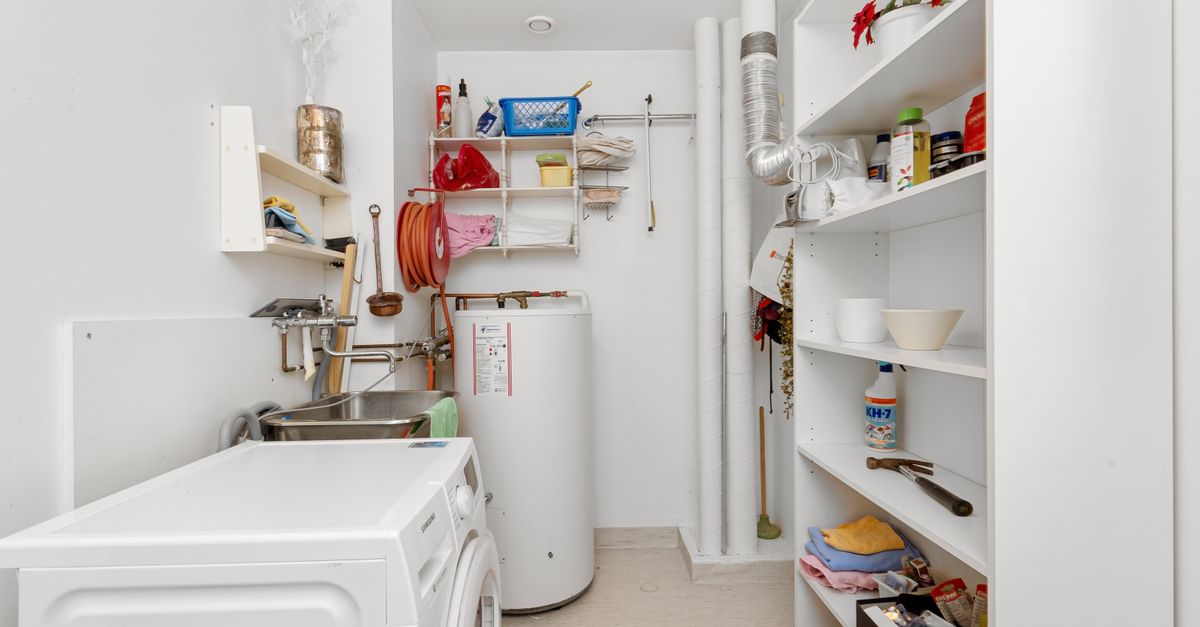
Test sump pump every 3 months. The commonly recommended range is every 3-4 months. A failed sump pump means a flooded basement during the next storm. It is seasonal work, best done in spring.
A sump pump does nothing at all until the day it is the only thing standing between groundwater and your basement floor. That is exactly why it needs testing on a schedule: the failure mode is silent, and you discover it during the storm rather than before it.
Why does testing your sump pump matter?
A failed sump pump means a flooded basement during the next storm.
What happens if you skip testing your sump pump?
A failed pump means a flooded basement, and most standard home insurance excludes groundwater damage unless you have specific coverage. Beyond the water itself, a finished basement that floods brings drywall replacement and a mould remediation risk.
How do you do it?
- Lift the pit lid and look. Check for accumulated silt, gravel or debris around the intake screen.
- Pour water in until the float rises. A bucket or two. The pump should start on its own without you touching the switch.
- Confirm it actually discharges. Go outside and check water is leaving the discharge pipe, not just that the motor is running.
- Watch it shut off cleanly. It should stop once the float drops, without chattering on and off repeatedly.
- Check the check valve. Water should not run back into the pit after shutoff. If it does, the valve is failing and the pump will short-cycle.
- Test the battery backup separately. Unplug the primary pump and repeat. A backup that has never been tested is not a backup.
What does it take?
How do you know testing your sump pump is overdue?
- The pump running constantly, or cycling every few minutes in dry weather
- Grinding, rattling or humming without water moving
- Visible rust or silt buildup in the pit
- A discharge line that freezes or stays blocked
- A backup battery older than three years, which should simply be replaced on age
What do people get wrong?
- Testing the pump but never the battery backup, which is the part that matters in a storm outage
- Letting the discharge line terminate too close to the foundation, so the water simply returns to the pit
- Missing a frozen or blocked discharge line in winter, which makes the pump run against a closed pipe
- Assuming a pump that hums is working: a seized impeller hums perfectly well
What changes how often you need to do it?
- Test monthly through a wet season rather than quarterly
- A high water table means near-constant duty and a shorter pump life, typically 7 to 10 years
- Test before any forecast heavy rain or spring thaw
When should you stop and call someone?
If the pump runs but moves no water, or trips its breaker, replace it rather than repair it. Pumps are cheap relative to a flooded basement, and a unit past about eight years old is on borrowed time regardless.
Want this scheduled for you instead of remembered?
Get the free appDoes this differ in the US, UK, Australia or Canada?
United States
Common through the Midwest and anywhere with basements and a high water table. Groundwater seepage is excluded from standard policies, so a separate water backup endorsement is usually needed. Some municipalities prohibit discharging into the sanitary sewer.
United Kingdom
Basements are far less common, so sump pumps mostly appear in converted cellars and in properties on flood plains. Where fitted, they often form part of a cavity drainage membrane system, and those systems carry manufacturer servicing requirements that affect any structural waterproofing guarantee.
Australia
Basements are uncommon in most Australian housing, so sump pumps appear mainly in Melbourne and Sydney townhouses with basement garages, and in properties on flood-prone land. Where they exist, testing before the storm season matters most: that is summer in the tropical north and winter in the southern states.
Canada
Close to universal in Ontario and Quebec basements. The spring thaw is the peak load period, so test in late winter before it arrives. Discharge lines must be kept clear of ice, and many municipalities offer subsidies for backwater valves and backup pumps.
Common questions
Why does testing your sump pump matter?
A failed sump pump means a flooded basement during the next storm.
What happens if you skip testing your sump pump?
A failed sump pump means a flooded basement during the next storm. Skipping it does not usually fail immediately, which is exactly why it gets forgotten: the consequence arrives months later as a repair bill rather than as an obvious fault.
Does testing your sump pump differ by country?
Common in US Midwest/CA basements; rarer UK. Test before wet season.
When in the year is testing your sump pump best done?
This is seasonal work. Plan it for spring, before the weather it protects against arrives.
More Water systems guides
Often done at the same time
Browse by area of the home
Stop tracking this by hand
Maintainly keeps this task and 65 others on schedule, tuned to your home's systems, climate and country, and reminds you before each is due.
Add just this one reminder and skip the setup.