 Maintainly
Water systems
How often should you flush your water heater tank?
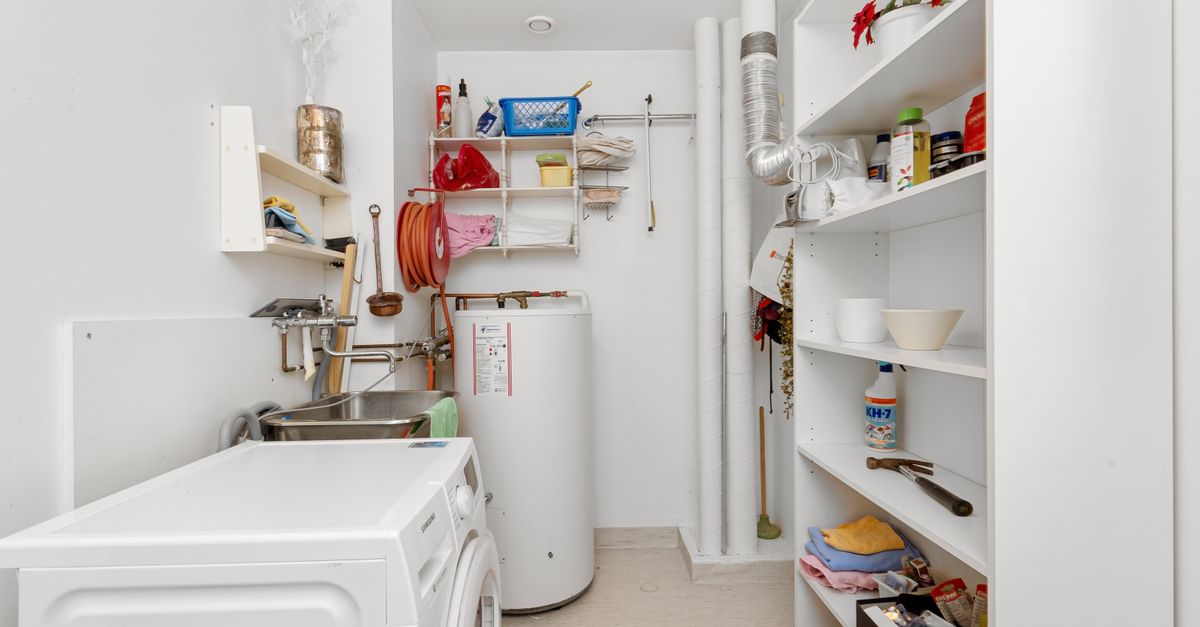
Flush water heater tank once a year. The commonly recommended range is every 12 months. Sediment buildup wastes energy and shortens tank life.
Minerals that precipitate out of heated water settle to the bottom of a storage tank and build a layer of sediment. On a gas heater that layer sits directly between the burner and the water, so the burner has to fire through it. On an electric heater it buries the lower element.
Why does flushing your water heater tank matter?
Sediment buildup wastes energy and shortens tank life.
What happens if you skip flushing your water heater tank?
Sediment insulates the water from the heat source, so the burner runs longer for the same hot water. It also causes the popping and rumbling sound of steam bubbles forming under the sediment layer. Left for years it accelerates tank corrosion and shortens the life of a heater that should last a decade or more.
How do you do it?
- Turn off the heat source. Gas to Pilot, or the breaker off for electric. Never drain an electric tank with the elements powered.
- Shut the cold inlet and let it cool. Give it a couple of hours unless you want to handle water at 60 degrees Celsius.
- Attach a hose to the drain valve. Run it to a floor drain or outside, somewhere downhill from the tank.
- Open a hot tap upstairs. This breaks the vacuum so the tank actually drains rather than gurgling.
- Open the drain valve and empty the tank. Expect discoloured water and grit. Keep going until it runs clear.
- Flush with short bursts of cold. With the drain still open, briefly open the cold inlet a few times to stir and carry out the remaining sediment.
- Close, refill, then restore heat. Close the drain, refill fully, and only restore gas or power once water runs steadily from the open tap with no air.
What does it take?
How do you know flushing your water heater tank is overdue?
- Popping, rumbling or kettling sounds as the heater runs
- Hot water running out sooner than it used to
- Discoloured or gritty water from hot taps
- The heater taking noticeably longer to recover between showers
What do people get wrong?
- Draining an electric tank with the breaker still on, which burns out the elements in seconds
- Forgetting to open a hot tap, then wondering why nothing drains
- Ignoring the anode rod, which is the sacrificial part that actually determines tank life and is worth checking every few years
- Opening a drain valve on a very old tank that has never been flushed: heavy sediment can prevent it closing again, so be ready for that
What changes how often you need to do it?
- Hard water areas need it annually without argument
- Tankless heaters need descaling rather than flushing, usually yearly in hard water
- A softened supply extends the interval significantly
When should you stop and call someone?
If the drain valve will not close afterwards, if the tank is leaking from the body rather than a fitting, or if the relief valve discharges, call a plumber. A leaking tank body is not repairable.
Want this scheduled for you instead of remembered?
Get the free appDoes this differ in the US, UK, Australia or Canada?
United States
Tank heaters in the garage or basement are the norm, typically 40 to 50 gallons. Many jurisdictions require seismic strapping in the West. Temperature and pressure relief valve discharge must terminate safely, which inspectors check.
United Kingdom
Combi boilers heat water on demand and have no tank to flush at all, which covers most of the housing stock. Where a hot water cylinder exists it is usually indirect and vented, and the equivalent maintenance is checking the immersion heater and, on unvented cylinders, an annual service of the expansion vessel and safety valves by a G3 qualified engineer.
Australia
Electric storage tanks, often on off-peak tariffs, and gas storage are both widespread, with solar hot water and heat pump systems common under state rebates. Tanks carry a sacrificial anode that plumbers commonly replace around the five-year mark to extend tank life, and hard water areas such as Adelaide and Perth make that more important.
Canada
Basement installations are standard and many tanks are rented from the utility rather than owned, in which case servicing is the rental provider’s responsibility and you should call them rather than flush it yourself. Check your rental agreement before doing anything.
Common questions
Why does flushing your water heater tank matter?
Sediment buildup wastes energy and shortens tank life.
What happens if you skip flushing your water heater tank?
Sediment buildup wastes energy and shortens tank life. Skipping it does not usually fail immediately, which is exactly why it gets forgotten: the consequence arrives months later as a repair bill rather than as an obvious fault.
Does flushing your water heater tank differ by country?
US/CA 'water heater'. UK 'hot water cylinder/immersion', flush applies to tank systems, not combi boilers.
More Water systems guides
Often done at the same time
Browse by area of the home
Stop tracking this by hand
Maintainly keeps this task and 65 others on schedule, tuned to your home's systems, climate and country, and reminds you before each is due.
Add just this one reminder and skip the setup.