 Maintainly
Water systems
How often should you check your home for damp and mould?
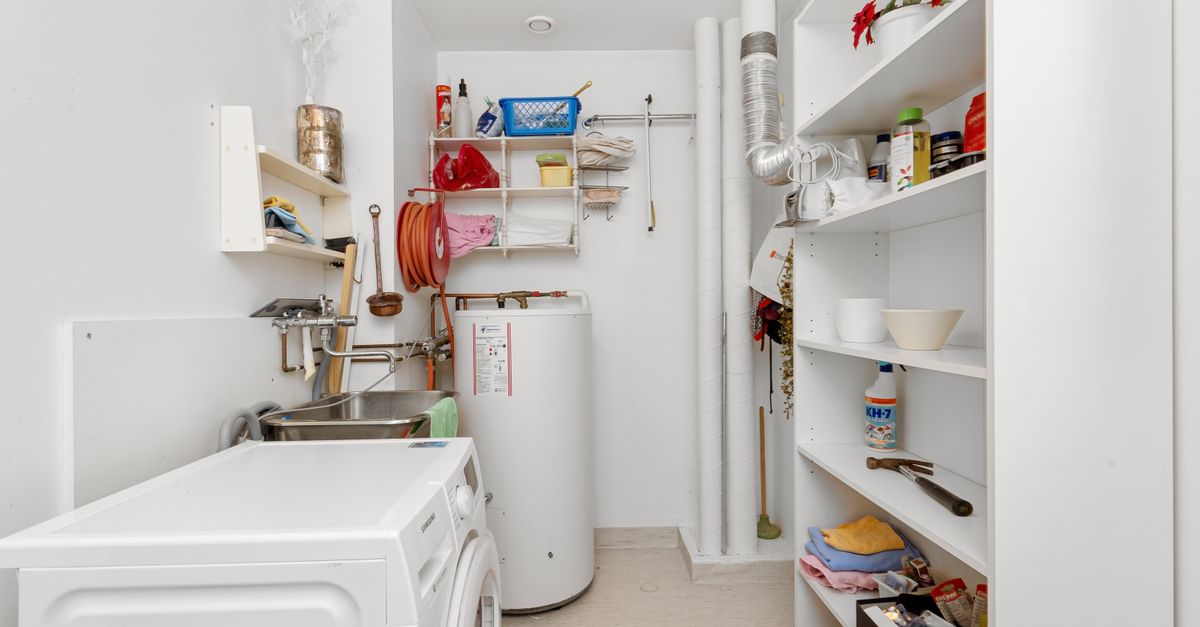
Check for damp and mould every 6 months. The commonly recommended range is every 6 months, especially before and during winter. Mould spreads behind furniture and in cold corners, damaging plaster and triggering asthma and allergies. It is seasonal work, best done in autumn / fall.
Condensation and mould build up in winter, when windows stay shut and cold surfaces meet warm, moist air. A check twice a year, before and during the heating season, finds them while they are still a wipe-down rather than a redecoration.
Why does checking for damp and mould matter?
Mould spreads behind furniture and in cold corners, damaging plaster and triggering asthma and allergies.
What happens if you skip checking for damp and mould?
Mould damages plaster, paint and belongings, and damp and mould are linked to asthma and respiratory problems, especially in children and older people.
How do you do it?
- Check the usual spots. Window frames and sills, the corners of outside walls, behind wardrobes and beds against outside walls, and bathroom ceilings.
- Look for the source. Black spotting near windows is usually condensation. A patch with a tide mark, or damp low on a wall, points to a leak or rising damp.
- Check extractor fans and trickle vents. Make sure bathroom and kitchen fans run and pull air, and that window trickle vents are open.
- Clean small patches safely. Wipe small areas of surface mould with a mould cleaner and a disposable cloth, with the window open. Never brush it dry.
- Change daily habits. Dry laundry outside or in a vented space, keep lids on pans, and leave a gap between furniture and outside walls.
What does it take?
How do you know checking for damp and mould is overdue?
- Black spots around windows or in corners
- A musty smell
- Water running down windows in the morning
What do people get wrong?
- Painting over mould
- Blocking trickle vents and airbricks to stop draughts
- Drying clothes on radiators in closed rooms
When should you stop and call someone?
When mould covers more than about a square metre, keeps coming back after cleaning, or comes with a leak, rising damp or rotten timber.
Want this scheduled for you instead of remembered?
Get the free appDoes this differ in the US, UK, Australia or Canada?
United States
Keep indoor humidity between 30 and 50 percent, as the EPA recommends. Fix leaks within 24 to 48 hours.
United Kingdom
Damp and mould are among the most common hazards in UK homes. Awaab’s Law has required social landlords to act on them since October 2025; private tenants should report damp to their landlord in writing.
Australia
Common in cooler, humid regions over winter. Ventilate bathrooms to the outside rather than into the roof space.
Canada
Condensation on windows is common in cold snaps; run HRVs and bathroom fans and keep humidity lower when it is very cold outside.
Common questions
Why does checking for damp and mould matter?
Mould spreads behind furniture and in cold corners, damaging plaster and triggering asthma and allergies.
What happens if you skip checking for damp and mould?
Mould spreads behind furniture and in cold corners, damaging plaster and triggering asthma and allergies. Skipping it does not usually fail immediately, which is exactly why it gets forgotten: the consequence arrives months later as a repair bill rather than as an obvious fault.
Does checking for damp and mould differ by country?
Universal. UK: damp and mould are among the most common housing hazards, and Awaab's Law has required social landlords to act on them since October 2025.
When in the year is checking for damp and mould best done?
This is seasonal work. Plan it for autumn / fall, before the weather it protects against arrives.
More Water systems guides
Often done at the same time
Browse by area of the home
Stop tracking this by hand
Maintainly keeps this task and 65 others on schedule, tuned to your home's systems, climate and country, and reminds you before each is due.
Add just this one reminder and skip the setup.