 Maintainly
Plumbing
How often should you clear slow drains?
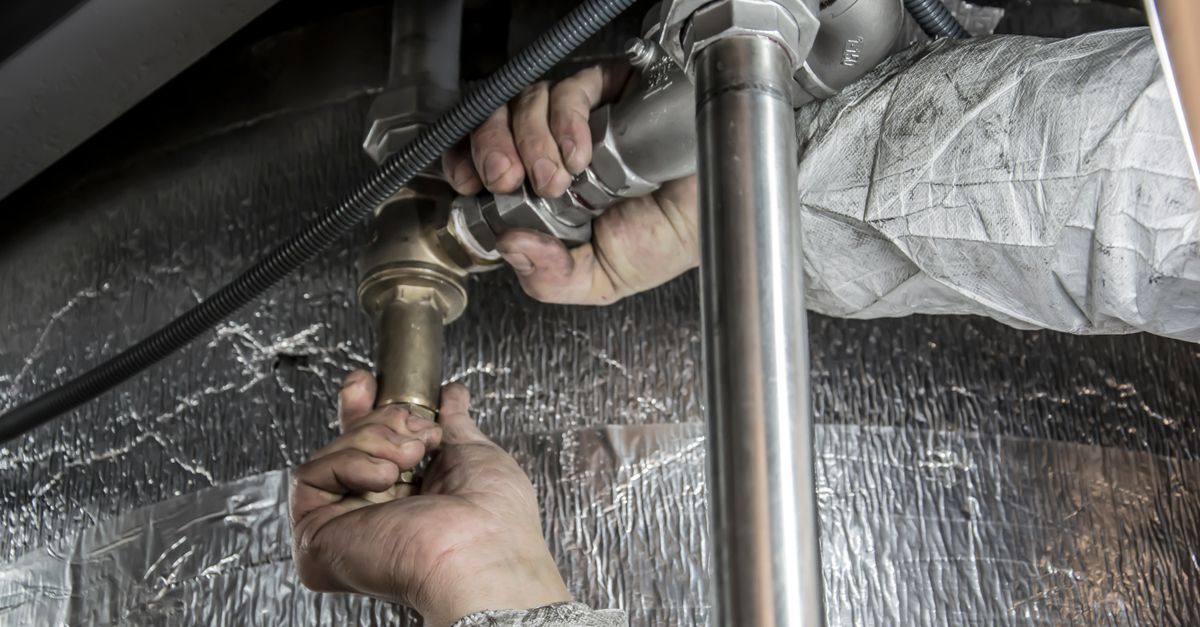
Clean & clear slow drains every 6 months. The commonly recommended range is every 6 months. Slow drains become full blockages and backups if ignored.
Drains slow gradually as soap, grease, hair and food residue build a layer on the pipe wall. A slow drain is not a blockage yet, it is the warning before one, and clearing it at that stage takes minutes rather than a call-out.
Why does clearing slow drains matter?
Slow drains become full blockages and backups if ignored.
What happens if you skip clearing slow drains?
A fully blocked drain backs up into the fixture and, in a shared stack, potentially into a lower one. Grease that has cooled and set in a horizontal run is genuinely difficult to remove, and repeated chemical attempts damage older pipework and traps.
How do you do it?
- Clear the visible debris first. Lift out the stopper or strainer and remove the hair and soap film that has collected on it. This alone fixes many slow drains.
- Try a drain snake or hair removal tool. A cheap plastic barbed strip pulls out the hair mat sitting just below the plughole, which is where most bathroom blockages live.
- Flush with very hot water. Not boiling on plastic waste pipes or on porcelain, which can crack. Hot tap water for several minutes.
- Use bicarbonate and vinegar for maintenance. Half a cup of bicarbonate followed by a cup of vinegar, left for thirty minutes and flushed. This is a maintenance measure rather than a cure for a real blockage.
- Plunge properly if it is slow. Block the overflow with a wet cloth first, or the plunger just pushes air around. Use a cup plunger on sinks.
- Clean the trap if that fails. Bucket underneath, unscrew the two collars on the U-bend, clear it, and refit. This is the single most effective sink fix and needs no tools on most plastic traps.
What does it take?
How do you know clearing slow drains is overdue?
- Water pooling around your feet in the shower
- A sink taking noticeably longer to empty than it used to
- Gurgling from another fixture when one drains, which indicates a venting problem or a partial blockage further along
- A persistent smell from the drain
- Repeated blockages in the same fixture, which suggests a problem in the pipework rather than at the plughole
What do people get wrong?
- Reaching for caustic drain cleaner first: it damages older pipes, is dangerous if it does not clear the blockage and sits in standing water, and rarely fixes a hair mat
- Pouring fat and cooking oil down the sink, which is the origin of most kitchen blockages and of sewer fatbergs
- Plunging without blocking the overflow, so the pressure escapes
- Using a plunger after adding chemical cleaner, which can splash caustic liquid
What changes how often you need to do it?
- Long-haired households need bathroom drains cleared far more often
- Kitchen sinks in households that cook with a lot of fat need more attention
- Older cast iron or clay drainage has a rougher internal surface and catches debris more readily
- Tree roots in external drains cause recurring blockages that no amount of plunging fixes
When should you stop and call someone?
Recurring blockages in the same place, multiple fixtures backing up at once, or any sewage smell or backup outside all indicate a problem in the main drain rather than the fixture. That needs a drainage specialist, often with a camera survey.
Want this scheduled for you instead of remembered?
Get the free appDoes this differ in the US, UK, Australia or Canada?
United States
Garbage disposals are common and change the picture, since food waste that would otherwise be binned goes into the drain. Many municipalities have fats, oils and grease programmes, and disposing of grease in the bin rather than the sink is actively encouraged.
United Kingdom
Kitchen waste disposal units are rare, so kitchen blockages are almost entirely fat and food scraped from plates. Water companies run sustained campaigns against flushing wet wipes, which combine with fat to form sewer blockages. In terraced properties, shared drains mean a blockage may be a shared responsibility, and the water company is responsible for lateral drains beyond the property boundary.
Australia
Tree roots are the dominant cause of recurring drain problems, particularly in older suburbs with clay pipework and established street trees, and root intrusion is a common insurance exclusion. Waste disposal units are uncommon. In many areas the property owner is responsible for the sewer line to the connection point, which can make root damage an expensive repair.
Canada
Frozen and blocked drains in unheated spaces are a winter concern. In older cities with combined sewers, backwater valves are recommended and often subsidised by municipalities to prevent sewer backup during heavy rain or thaw.
Common questions
Why does clearing slow drains matter?
Slow drains become full blockages and backups if ignored.
What happens if you skip clearing slow drains?
Slow drains become full blockages and backups if ignored. Skipping it does not usually fail immediately, which is exactly why it gets forgotten: the consequence arrives months later as a repair bill rather than as an obvious fault.
Does clearing slow drains differ by country?
Universal. Avoid harsh chemicals on older UK/CA pipework.
More Plumbing guides
Browse by area of the home
Stop tracking this by hand
Maintainly keeps this task and 65 others on schedule, tuned to your home's systems, climate and country, and reminds you before each is due.
Add just this one reminder and skip the setup.