 Maintainly
Plumbing
How often should you check for water leaks under sinks and appliances?
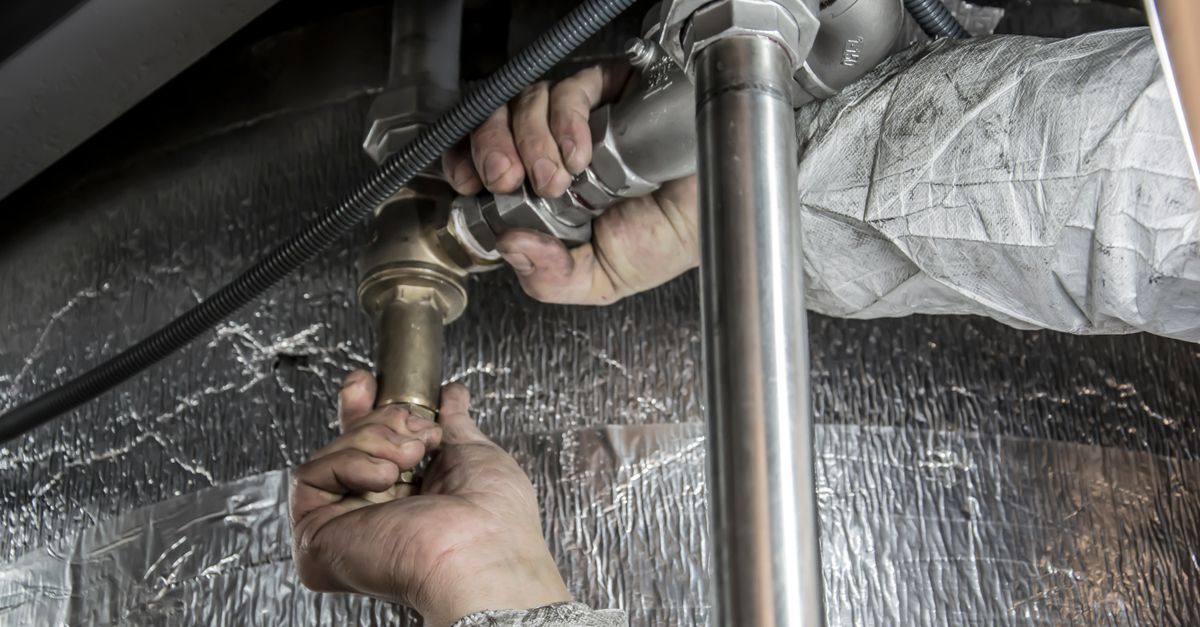
Inspect for water leaks (under sinks, appliances) every 6 months. The commonly recommended range is every 6 months. Hidden slow leaks cause mould and rot long before you see them.
This is a deliberate walk around the house looking under and behind things, rather than waiting for a leak to announce itself. Most household water damage comes from small, slow leaks that ran for weeks or months, not from dramatic bursts.
Why does checking for water leaks under sinks and appliances matter?
Hidden slow leaks cause mould and rot long before you see them.
What happens if you skip checking for water leaks under sinks and appliances?
A slow leak under a sink or behind a washing machine soaks the cabinet base, the subfloor and eventually the structure. Mould establishes within 24 to 48 hours of sustained damp. Insurers frequently exclude damage from gradual leaks precisely because they are considered preventable by inspection.
How do you do it?
- Read the meter with everything off. Turn off every tap and appliance, note the meter reading, wait two hours with no water used, and read it again. Any movement means a leak somewhere.
- Check under every sink. Empty the cabinet and feel the base with your hand. Look for staining, swelling of the chipboard, or a white crust of dried mineral deposit around fittings.
- Inspect appliance hoses. Washing machine and dishwasher hoses perish and are a classic sudden failure. Look for bulges, corrosion at the crimps and any dampness. Braided stainless hoses are worth fitting.
- Look at the water heater. Check the base of the tank, the relief valve discharge pipe, and the connections. Rust on the tank body is terminal.
- Check toilets and the base of pans. Feel for damp around the base and look for movement when the pan is rocked gently.
- Look at ceilings below bathrooms. Yellow or brown staining on a ceiling is water that has been arriving for a while.
- Check outside taps and any irrigation. Outdoor leaks disappear into the ground and can run for months unnoticed.
What does it take?
How do you know checking for water leaks under sinks and appliances is overdue?
- A water bill higher than usual with no change in habits
- The meter creeping with everything switched off
- Musty smells in a cupboard, particularly under a sink
- Staining, bubbling paint or swollen chipboard
- Warm patches on a floor, which can indicate a hot water leak beneath a slab
- Reduced water pressure with no other explanation
What do people get wrong?
- Only looking where you can already see, rather than emptying cabinets and feeling with your hand
- Ignoring a small drip because it seems trivial: a slow drip into a cabinet base does more cumulative damage than a fast one onto a tiled floor you notice immediately
- Not checking appliance hoses, which are among the most common causes of significant water damage
- Dismissing an unexplained bill increase
What changes how often you need to do it?
- Check before leaving the house empty for an extended period, and consider turning the water off entirely
- Homes with a water softener, filtration or irrigation have more fittings and more failure points
- Older properties with mixed pipe materials, particularly where copper meets galvanised steel, corrode at the junctions
- Leak detection devices that shut off the supply automatically are increasingly affordable and worth considering
When should you stop and call someone?
If the meter shows a leak but you cannot find it, it may be underground or beneath the slab. That needs acoustic or thermal detection rather than more searching.
Want this scheduled for you instead of remembered?
Get the free appDoes this differ in the US, UK, Australia or Canada?
United States
The EPA estimates household leaks waste a very large volume nationally each year and promotes an annual leak check. Many insurers now offer premium discounts for fitting an automatic leak detection and shutoff device.
United Kingdom
Metered households can detect leaks from the meter, but a large share of homes remain unmetered, which removes the bill signal entirely and makes physical inspection more important. Water companies are responsible for leaks on their side of the boundary stop tap, and many offer a free repair scheme for a first supply pipe leak on the customer side.
Australia
Water is expensive and, in drought conditions, restricted, so leaks matter financially and legally. Most state water utilities offer online leak detection guidance based on meter readings, and some offer rebates or concessions where a hidden leak caused a high bill. Properties on tank water have no meter, so physical inspection and monitoring tank levels is the only detection method.
Canada
The winter risk is specific: pipes in unheated crawl spaces, garages and exterior walls freeze, split, and then leak when they thaw. Inspect before winter, keep the heating on at a minimum level when away, and know where the shutoff is. Frozen pipe damage is a leading winter insurance claim.
Common questions
Why does checking for water leaks under sinks and appliances matter?
Hidden slow leaks cause mould and rot long before you see them.
What happens if you skip checking for water leaks under sinks and appliances?
Hidden slow leaks cause mould and rot long before you see them. Skipping it does not usually fail immediately, which is exactly why it gets forgotten: the consequence arrives months later as a repair bill rather than as an obvious fault.
Does checking for water leaks under sinks and appliances differ by country?
Universal. Catch slow leaks early everywhere.
More Plumbing guides
Often done at the same time
Browse by area of the home
Stop tracking this by hand
Maintainly keeps this task and 65 others on schedule, tuned to your home's systems, climate and country, and reminds you before each is due.
Add just this one reminder and skip the setup.