 Maintainly
HVAC & air quality
How often should you clean your HRV / air exchanger filters?
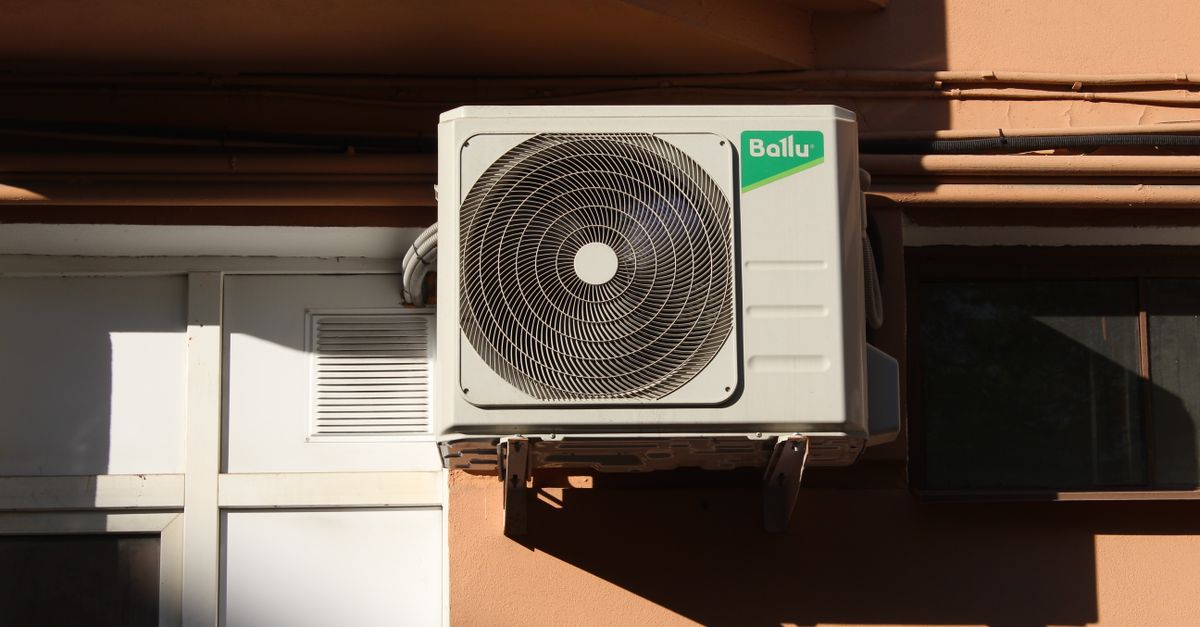
Clean HRV / air exchanger filters every 3 months. The commonly recommended range is every 3 months. Clogged HRV filters cut fresh-air flow and make the system work harder.
A heat recovery ventilator continuously swaps stale indoor air for fresh outdoor air while keeping most of the heat. It is standard in airtight modern homes, and because it runs constantly its filters load steadily rather than seasonally.
Why does cleaning your HRV / air exchanger filters matter?
Clogged HRV filters cut fresh-air flow and make the system work harder.
What happens if you skip cleaning your HRV / air exchanger filters?
Blocked filters unbalance the supply and exhaust flows, which is worse than it sounds. An unbalanced ventilator can pressurise or depressurise the house, driving moist air into wall cavities or pulling combustion gases back down a flue. Efficiency drops too, but the pressure imbalance is the real problem.
How do you do it?
- Switch the unit off at its own control. Do not rely on a wall switch alone. Use the unit’s power switch or its breaker.
- Open the front cover. Usually two clips or thumbscrews. The unit is typically in a basement, loft or laundry.
- Withdraw both filters. There are two, one on the supply side and one on the exhaust. People routinely clean only one of them.
- Wash or replace as specified. Many are washable: rinse, shake, and dry completely before refitting. A damp filter grows mould.
- Pull and rinse the core. Once or twice a year the aluminium or plastic core itself should come out and be washed in mild soapy water.
- Clear the exterior hoods. The intake and exhaust grilles outside collect leaves, insects and lint.
What does it take?
How do you know cleaning your HRV / air exchanger filters is overdue?
- Windows fogging on the inside in cold weather when they did not before
- Stale or stuffy air despite the unit running
- The unit noticeably louder as the fans work against the restriction
- Visible dust matting the filter media
What do people get wrong?
- Cleaning one filter and not the other
- Refitting filters while they are still damp
- Never removing the core, which is where the real fouling accumulates
- Forgetting the outdoor intake hood, which is often the actual blockage
What changes how often you need to do it?
- Pollen season loads the supply filter quickly
- Nearby construction or a busy road shortens the interval
- Cooking-heavy households load the exhaust side faster
When should you stop and call someone?
If supply and exhaust flows need rebalancing, that requires a technician with a flow hood. Filters and core cleaning are firmly a homeowner job.
Want this scheduled for you instead of remembered?
Get the free appDoes this differ in the US, UK, Australia or Canada?
United States
HRVs are most common in tightly built new construction and in northern states. ERVs, which transfer moisture as well as heat, are preferred in humid southern climates and follow the same filter routine.
United Kingdom
The equivalent is MVHR, now standard in new-build flats and Passivhaus projects to satisfy Part F ventilation requirements. Filters are usually G4 or F7 cartridges with a stated replacement interval, and a blocked F7 noticeably raises fan noise.
Australia
Whole-house heat recovery ventilation is much less common, since most homes ventilate by opening windows or rely on exhaust fans. Where fitted it is usually in high-performance or apartment builds in Melbourne, Canberra and Hobart. Bushfire smoke seasons load filters extremely fast and are the main reason to check early.
Canada
HRVs are required in new homes in several provinces and are close to universal in newer builds. Winter is the critical season: check the defrost damper works and that the core is not icing. An HRV switched off in winter causes exactly the humidity and window condensation problems it exists to prevent.
Common questions
Why does cleaning your HRV / air exchanger filters matter?
Clogged HRV filters cut fresh-air flow and make the system work harder.
What happens if you skip cleaning your HRV / air exchanger filters?
Clogged HRV filters cut fresh-air flow and make the system work harder. Skipping it does not usually fail immediately, which is exactly why it gets forgotten: the consequence arrives months later as a repair bill rather than as an obvious fault.
Does cleaning your HRV / air exchanger filters differ by country?
Canada: heat recovery ventilators (HRV / air exchangers) are standard in newer homes; clean the filters regularly. AU: uncommon outside high-performance builds, but where fitted bushfire smoke loads the filters very quickly.
More HVAC & air quality guides
Browse by area of the home
Stop tracking this by hand
Maintainly keeps this task and 65 others on schedule, tuned to your home's systems, climate and country, and reminds you before each is due.
Add just this one reminder and skip the setup.