 Maintainly
Vehicle
How often should you get your brakes inspected?
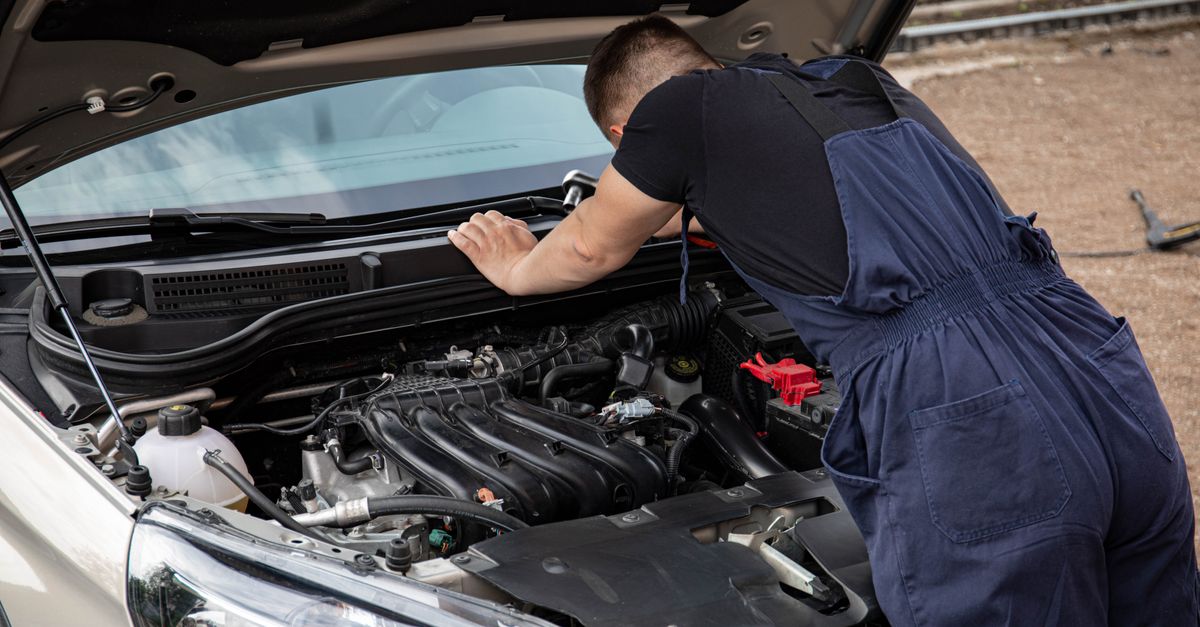
Brake inspection once a year. The commonly recommended range is every 12 months or 12,000 mi. Worn brakes increase stopping distance and risk failure. This is a safety-critical task, so do not let it slip.
Brakes wear continuously and give very little warning before they stop being effective. An inspection measures pad thickness and disc condition against the manufacturer’s minimums, checks the fluid, and looks at the hydraulic components that fail silently.
Why does a brake inspection matter?
Worn brakes increase stopping distance and risk failure.
What happens if you skip a brake inspection?
Pads worn to the backing plate cut into the disc, turning a cheap pad replacement into pads and discs. Beyond cost, brake fluid absorbs moisture over time, and moisture-laden fluid boils under hard or sustained braking, which produces a pedal that goes to the floor exactly when you need it most.
What does the professional actually do?
- Measures pad material thickness against the minimum and reports the remaining life
- Checks discs for thickness, scoring, lipping and run-out
- Inspects flexible hoses for perishing and bulging, and rigid lines for corrosion
- Checks calliper slide pins are free, which is the usual cause of uneven pad wear
- Tests brake fluid moisture content, and recommends a change typically every two years
- Checks the handbrake or parking brake mechanism and its travel
How do you choose someone qualified?
Ask for the actual pad thickness measurements in millimetres rather than a colour-coded traffic light. Numbers let you decide whether to act now or at the next service.
What does it take?
How do you know a brake inspection is overdue?
- Squealing that stops when you brake, which is the wear indicator doing its job
- Grinding, which means the pads are already gone and the discs are being damaged now
- A pedal that feels soft, spongy, or travels further than it used to
- The car pulling to one side under braking
- Vibration through the pedal or steering when braking from speed
- The brake fluid warning light
What changes how often you need to do it?
- Urban stop-start driving wears pads far faster than motorway miles
- Hilly terrain and towing dramatically increase load
- Brake fluid is hygroscopic and degrades on time rather than mileage, so it needs changing on a calendar basis even in a low-mileage car
- Electric and hybrid vehicles use regenerative braking, so pads last much longer but calipers seize more often from underuse
When should you stop and call someone?
Any grinding, any pull under braking, or any change in pedal feel should be inspected immediately rather than at the next service. Brakes are the one system where deferring is not a reasonable financial decision.
Want this scheduled for you instead of remembered?
Get the free appDoes this differ in the US, UK, Australia or Canada?
United States
No universal periodic inspection, so brakes are typically checked during oil changes or tyre rotations. This makes it easy to defer, and it is worth asking for measurements each time rather than waiting for noise.
United Kingdom
Brake efficiency is tested on a rolling road at every MOT and is measured rather than judged, which catches problems that are not yet audible. Advisories on brake wear at one MOT are a reliable predictor of failure at the next.
Australia
There is no annual national test in most states, so brake condition is checked at logbook services. New South Wales pink slip inspections cover brakes for vehicles over five years old. Towing caravans and boats is common and is very hard on brakes, particularly on long descents, so vehicles used for towing warrant more frequent checks.
Canada
Road salt is the specific Canadian factor: it corrodes brake lines, calliper pistons and slide pins aggressively. Seized callipers from corrosion are a common failure, and rusted brake lines are a serious safety issue on older vehicles, so the inspection should explicitly include the lines.
Common questions
Why does a brake inspection matter?
Worn brakes increase stopping distance and risk failure.
What happens if you skip a brake inspection?
Worn brakes increase stopping distance and risk failure. Skipping it does not usually fail immediately, which is exactly why it gets forgotten: the consequence arrives months later as a repair bill rather than as an obvious fault.
Does a brake inspection differ by country?
Universal. UK MOT checks brakes; still inspect between MOTs.
More Vehicle guides
Browse by area of the home
Stop tracking this by hand
Maintainly keeps this task and 65 others on schedule, tuned to your home's systems, climate and country, and reminds you before each is due.
Add just this one reminder and skip the setup.