 Maintainly
Appliances
How often should you run your washing machine clean cycle?
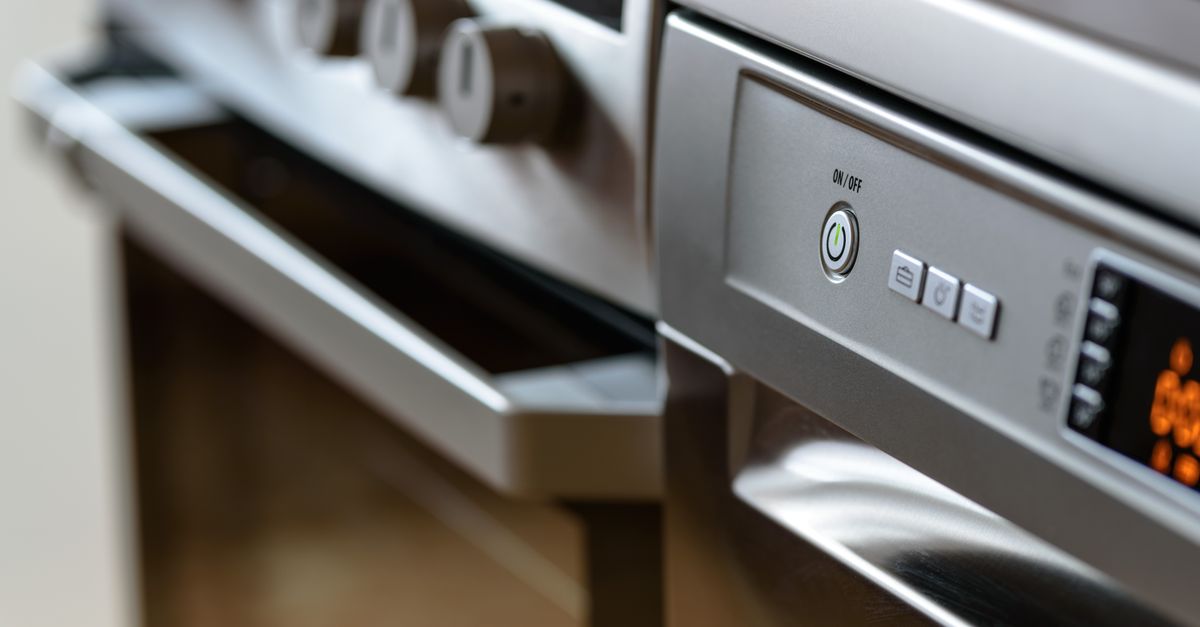
Run washing machine clean cycle once a month. The commonly recommended range is monthly. Mould and detergent buildup cause odors and dirty laundry.
Modern washing at low temperatures with liquid detergent leaves a residue of detergent, fabric softener and body oils inside the drum and, particularly, in the rubber door seal of a front loader. That residue is what bacteria and mould colonise.
Why does runing your washing machine clean cycle matter?
Mould and detergent buildup cause odors and dirty laundry.
What happens if you skip runing your washing machine clean cycle?
The smell is the visible symptom, and it transfers to clothes, which means rewashing them. Behind that, biofilm accumulates in the drum outer tub and the drain pump filter, and a blocked pump filter eventually stops the machine draining altogether.
How do you do it?
- Run a hot maintenance wash. Empty machine, hottest cycle available, ideally 90 degrees Celsius if the machine offers it. Temperature is what kills the biofilm, and low temperature washing is the root cause.
- Use a proper cleaner or soda crystals. A proprietary washing machine cleaner, or 500g of soda crystals, or white vinegar in the drum. Do not mix vinegar and bleach.
- Clean the door seal thoroughly. On a front loader, pull back every fold of the rubber gasket. Water, hair and lint sit in the bottom of it permanently. This is where the smell actually is.
- Remove and wash the detergent drawer. It lifts out on most machines. Scrub the compartments and the housing above it, where mould thrives unseen.
- Clean the drain pump filter. Behind a small hatch at the bottom front. Put a shallow tray and towels down first, because water will come out. Coins, buttons and hair collect here.
- Wipe the drum and leave the door ajar. Leaving the door and the drawer open between washes lets the machine dry out, which prevents the problem recurring.
What does it take?
How do you know runing your washing machine clean cycle is overdue?
- A musty or sour smell from the drum, or on clothes after washing
- Black specks or slime visible in the door seal or on clothes
- Detergent drawer residue that returns quickly after cleaning
- The machine failing to drain fully, which points to the pump filter
- Clothes coming out feeling less clean than they used to
What do people get wrong?
- Only ever washing at 30 or 40 degrees, which is the underlying cause: an occasional hot wash is what prevents biofilm
- Using too much detergent, which leaves more residue rather than cleaning better. Most people overdose considerably
- Heavy use of fabric softener, which coats the drum and the seal and feeds the problem
- Closing the door immediately after a wash, trapping moisture inside
- Never opening the pump filter, until the machine stops draining
What changes how often you need to do it?
- Households washing exclusively at low temperatures need this monthly
- Heavy fabric softener use accelerates buildup considerably
- Front loaders need it far more than top loaders, because of the door seal
- Hard water leaves more scale and residue
When should you stop and call someone?
A machine that will not drain after the pump filter is cleared, leaks from the base, or makes bearing noise on spin needs a technician. Bearing failure on many modern machines is uneconomic to repair.
Want this scheduled for you instead of remembered?
Get the free appDoes this differ in the US, UK, Australia or Canada?
United States
Top loaders remain common and suffer less from the door seal problem, though high-efficiency front loaders now dominate new sales and are prone to it. Machines typically connect to both hot and cold supply.
United Kingdom
Front loaders are effectively universal, and machines are cold-fill only, heating water internally. That makes the hot maintenance wash more important and also means it costs more to run, which is why many households avoid hot washes altogether and then develop exactly this problem. Hard water in the south and east adds scale.
Australia
Both top and front loaders are common, with top loaders historically dominant and front loaders growing for water efficiency reasons. WELS ratings apply, and in drought-affected regions water efficiency is a real consideration. Machines in outdoor or garage laundries in humid northern climates are more prone to mould and benefit from being left open between washes.
Canada
Front loaders are widespread and the door seal issue is well known. Machines in unheated basements or garages risk freezing damage in winter, so ensure the space stays above freezing or the machine is drained if left unused.
Common questions
Why does runing your washing machine clean cycle matter?
Mould and detergent buildup cause odors and dirty laundry.
What happens if you skip runing your washing machine clean cycle?
Mould and detergent buildup cause odors and dirty laundry. Skipping it does not usually fail immediately, which is exactly why it gets forgotten: the consequence arrives months later as a repair bill rather than as an obvious fault.
Does runing your washing machine clean cycle differ by country?
Universal. UK front-loaders prone to door-seal mould.
More Appliances guides
Browse by area of the home
Stop tracking this by hand
Maintainly keeps this task and 65 others on schedule, tuned to your home's systems, climate and country, and reminds you before each is due.
Add just this one reminder and skip the setup.