 Maintainly
Exterior
How often should you inspect your roof?
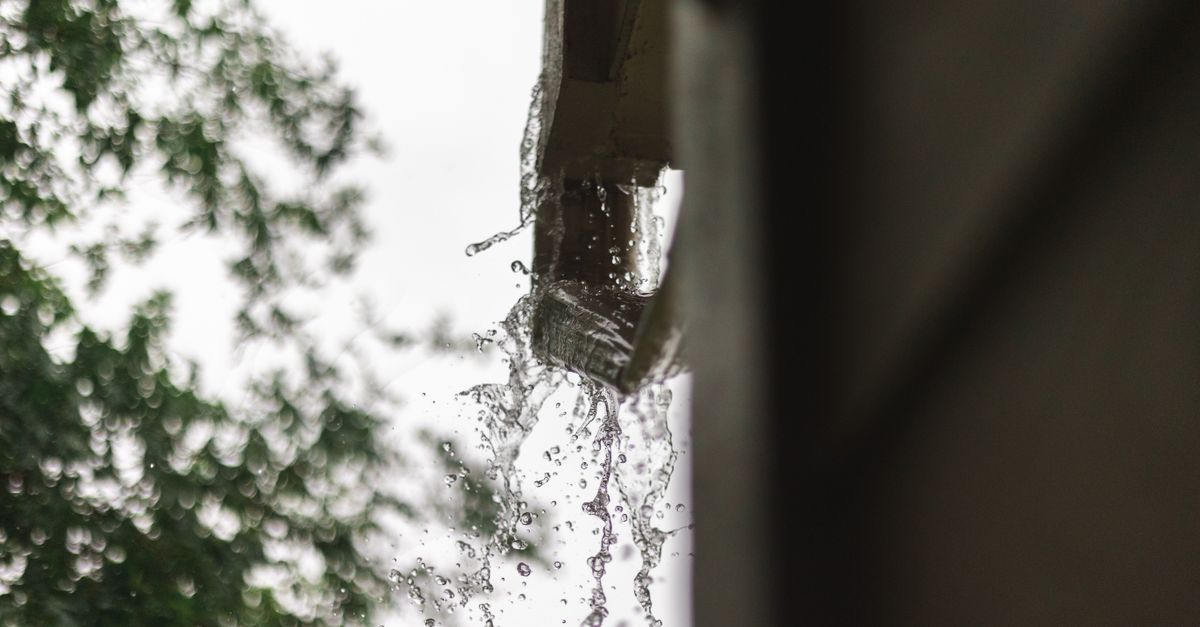
Inspect roof once a year. The commonly recommended range is annually + after major storms. Catching a loose shingle early avoids a five-figure roof or water-damage bill. It is seasonal work, best done in autumn / fall.
Roofs fail slowly and then all at once. An annual look, mostly from the ground with binoculars and from inside the loft, catches the cracked flashing or the slipped tile while it is a small repair rather than after it has been feeding water into the structure for two winters.
Why does inspecting your roof matter?
Catching a loose shingle early avoids a five-figure roof or water-damage bill.
What happens if you skip inspecting your roof?
Water entering a roof rarely appears directly below the entry point. It travels along rafters and shows up somewhere else entirely, by which time it has been wetting timber and insulation for months. Rot, mould and ruined insulation cost far more than the original repair.
How do you do it?
- Start inside the loft. On a bright day with the lights off. Daylight through the roof deck shows you exactly where the gaps are.
- Look for staining on rafters and sarking. Dark streaks, white salt deposits or mould all indicate past or present water ingress.
- Check the insulation is dry and evenly laid. Compressed or damp insulation is both a symptom and a further problem.
- Go outside with binoculars. You can assess most roofs perfectly well from the ground. Look for slipped, cracked, curled or missing tiles and shingles.
- Concentrate on the penetrations. Flashings around chimneys, vents, skylights and valleys are where the overwhelming majority of leaks start, not in the open field of the roof.
- Check the ridge and the verges. Loose ridge tiles and failed mortar bedding are common on older UK and Australian roofs.
- Look at the gutters for granules. On asphalt shingles, sand-like granules collecting in the gutter mean the shingles are shedding their protective surface and are near the end of their life.
What does it take?
How do you know inspecting your roof is overdue?
- Any stain on an upstairs ceiling, however small or old-looking
- Granules accumulating in the gutters
- Daylight visible through the roof from inside the loft
- Slipped or missing tiles visible from the ground
- Sagging along the ridge or between rafters, which is structural and urgent
- Moss growth heavy enough to lift tile edges
What do people get wrong?
- Climbing onto the roof to inspect it, which risks both a fall and breaking the tiles you are inspecting
- Only looking after a leak appears, by which point the damage is done
- Ignoring flashings and focusing on the tiles, when flashings cause most leaks
- Pressure washing a roof to remove moss, which strips granules from shingles and drives water under tiles
What changes how often you need to do it?
- Inspect after any severe storm, hail or high wind event regardless of schedule
- Roofs over 15 years old justify closer attention and a professional look
- Overhanging trees accelerate moss growth and physical damage
- A recent hailstorm can cause damage invisible from the ground but obvious to an inspector
When should you stop and call someone?
Any repair work, anything requiring you to walk on the roof, and any structural sagging. Also get a professional inspection before buying a property, and after significant hail.
Want this scheduled for you instead of remembered?
Get the free appDoes this differ in the US, UK, Australia or Canada?
United States
Asphalt shingle dominates and typically lasts 20 to 30 years. Hail damage is a major insurance issue across the Midwest and Plains, and claims are usually time-limited after the storm event, so inspect promptly after hail. Many states have specific rules about roofing contractors and insurance claims.
United Kingdom
Concrete and clay tiles and natural slate dominate, with much longer lives than asphalt but with mortar bedding on ridges and verges that fails first. Chimney flashings and lead work are common leak sources. Listed buildings and conservation areas restrict what materials may be used for repairs, which needs checking before work starts.
Australia
Concrete tile and Colorbond steel sheet are the two dominant roof types. Steel roofs need checking for corrosion at fixings and laps, particularly within a few kilometres of the coast where salt attacks them quickly. Cyclone regions in Queensland, the Northern Territory and northern Western Australia require checking tie-downs and fixings before the November to April cyclone season, and roofs there are built to specific wind ratings.
Canada
Snow load and ice damming are the dominant concerns. Check for lifted or damaged shingles at eaves where ice dams form, and confirm attic ventilation and insulation are adequate, since ice dams are ultimately caused by heat escaping into the attic. Inspect in autumn before snow arrives and again after the thaw.
Common questions
Why does inspecting your roof matter?
Catching a loose shingle early avoids a five-figure roof or water-damage bill.
What happens if you skip inspecting your roof?
Catching a loose shingle early avoids a five-figure roof or water-damage bill. Skipping it does not usually fail immediately, which is exactly why it gets forgotten: the consequence arrives months later as a repair bill rather than as an obvious fault.
Does inspecting your roof differ by country?
Universal. UK/CA: check for slipped tiles/slates before winter.
When in the year is inspecting your roof best done?
This is seasonal work. Plan it for autumn / fall, before the weather it protects against arrives.
More Exterior guides
Often done at the same time
Browse by area of the home
Stop tracking this by hand
Maintainly keeps this task and 65 others on schedule, tuned to your home's systems, climate and country, and reminds you before each is due.
Add just this one reminder and skip the setup.