 Maintainly
Exterior
How often should you pressure wash your siding and driveway?
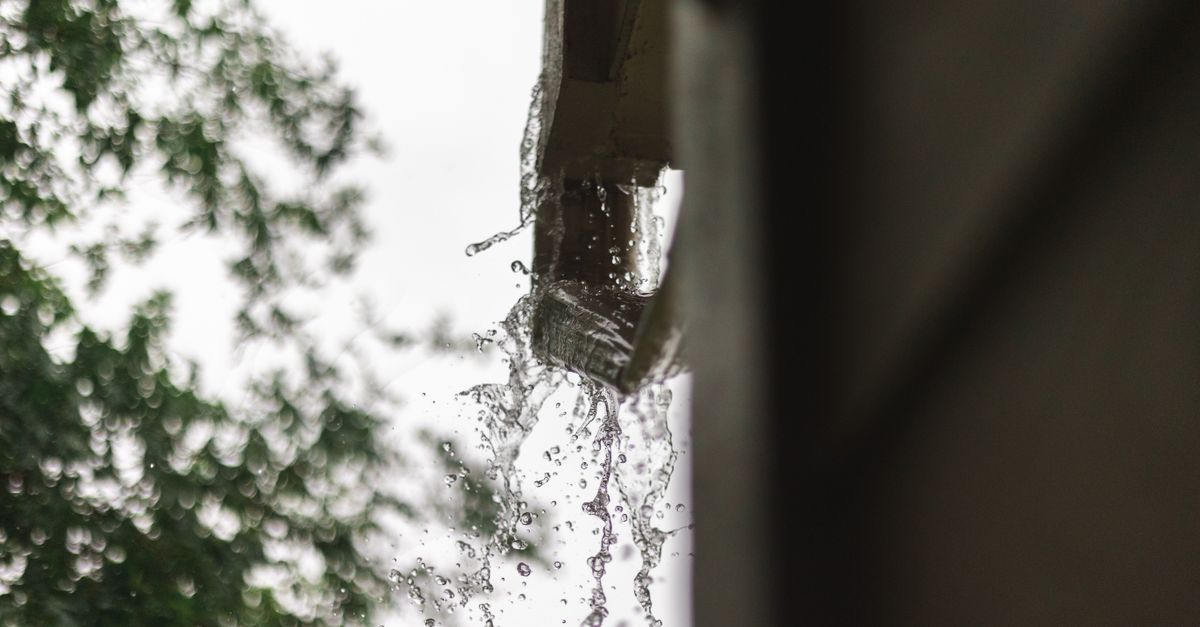
Pressure wash siding / driveway / patio once a year. The commonly recommended range is annually. Built-up grime, algae, and moss degrade surfaces and get slippery. It is seasonal work, best done in spring.
Pressure washing removes the biological growth and airborne grime that accumulates on exterior surfaces. Done correctly it is maintenance. Done at the wrong pressure or the wrong angle it drives water into the building and permanently damages the surfaces it is meant to clean.
Why does pressure washing your siding and driveway matter?
Built-up grime, algae, and moss degrade surfaces and get slippery.
What happens if you skip pressure washing your siding and driveway?
Left alone, algae and lichen hold moisture against render, timber and mortar, which accelerates decay and, on paths and decks, creates a genuine slip hazard. Organic growth on north-facing walls in damp climates can hold enough moisture to cause internal damp.
How do you do it?
- Pick the right pressure and nozzle first. Start with a wide fan, 25 or 40 degrees, and the lowest pressure that works. Never use a zero-degree pencil jet on a building.
- Test on an inconspicuous area. Different substrates tolerate very different pressures, and render, soft brick and timber are easily damaged.
- Protect and prepare. Close windows, cover outlets and light fittings, move furniture, and wet down plants before and after so detergent does not sit on them.
- Apply a cleaning solution and let it dwell. For algae and lichen, the chemical does the work and the water rinses it. Dwell time beats pressure almost every time.
- Work top to bottom, keeping the nozzle moving. Maintain a consistent distance and overlap passes. A stationary nozzle etches a mark you cannot remove.
- Never aim upward under siding or tiles. Angling up drives water behind cladding and under roof tiles, which is the single most damaging mistake in this job.
- Rinse thoroughly from the top down. Leftover detergent streaks as it dries.
What does it take?
How do you know pressure washing your siding and driveway is overdue?
- Green or black growth spreading across render, siding or paving
- Paths and decks becoming slippery when wet
- Dirt streaking below windows and gutter joints
- Lichen colonies establishing on masonry
What do people get wrong?
- Using too much pressure, which carves soft mortar out of joints, strips timber and forces water into wall cavities
- Pointing the lance upward beneath siding or roof tiles
- Pressure washing a roof, which strips shingle granules and voids many roofing warranties. Soft washing with a chemical solution is the correct approach for roofs
- Cleaning a surface with failed paint and then repainting over damp substrate
- Holding the nozzle too close on render, which leaves permanent striping
What changes how often you need to do it?
- Shaded and north-facing elevations grow algae far faster and may need doing annually while sunny walls last years
- Overhanging trees and nearby vegetation accelerate growth considerably
- Damp maritime climates make this a yearly job; dry inland climates make it occasional
When should you stop and call someone?
Render, historic masonry, lime mortar and anything above ground level are worth paying for. Soft washing of roofs specifically should be professional, since the technique and chemicals matter more than the equipment.
Want this scheduled for you instead of remembered?
Get the free appDoes this differ in the US, UK, Australia or Canada?
United States
Common as an annual spring task, particularly on vinyl siding which cleans easily and tolerates it well. Humid southern states see rapid mildew growth and may need it more than once a year. Wood siding and stucco need much lower pressure.
United Kingdom
The damp climate means algae and lichen on render, patios and driveways are close to universal. Pressure washing block paving removes the jointing sand, which then needs replacing with kiln-dried sand or the blocks work loose. Lime-rendered and historic buildings should never be pressure washed, since it destroys soft historic fabric.
Australia
Water restrictions are the first consideration and vary by state and by drought conditions, so check what is permitted before starting. Rendered and Colorbond surfaces are common and clean well at moderate pressure, but salt-affected coastal properties benefit more from regular fresh water rinsing than from occasional heavy cleaning. Bushfire prone properties should also clear debris from under decks and against walls as part of the same pass.
Canada
Best done in late spring after the salt and grit of winter has been washed off but before summer heat. Avoid pressure washing when overnight temperatures still drop below freezing, since water forced into masonry joints will freeze and spall the surface.
Common questions
Why does pressure washing your siding and driveway matter?
Built-up grime, algae, and moss degrade surfaces and get slippery.
What happens if you skip pressure washing your siding and driveway?
Built-up grime, algae, and moss degrade surfaces and get slippery. Skipping it does not usually fail immediately, which is exactly why it gets forgotten: the consequence arrives months later as a repair bill rather than as an obvious fault.
Does pressure washing your siding and driveway differ by country?
Universal. UK 'jet wash' / patios & block paving. Green algae growth common in damp UK.
When in the year is pressure washing your siding and driveway best done?
This is seasonal work. Plan it for spring, before the weather it protects against arrives.
More Exterior guides
Often done at the same time
Browse by area of the home
Stop tracking this by hand
Maintainly keeps this task and 65 others on schedule, tuned to your home's systems, climate and country, and reminds you before each is due.
Add just this one reminder and skip the setup.